

Designing NP Clinical Rotations Around a Commuter Life
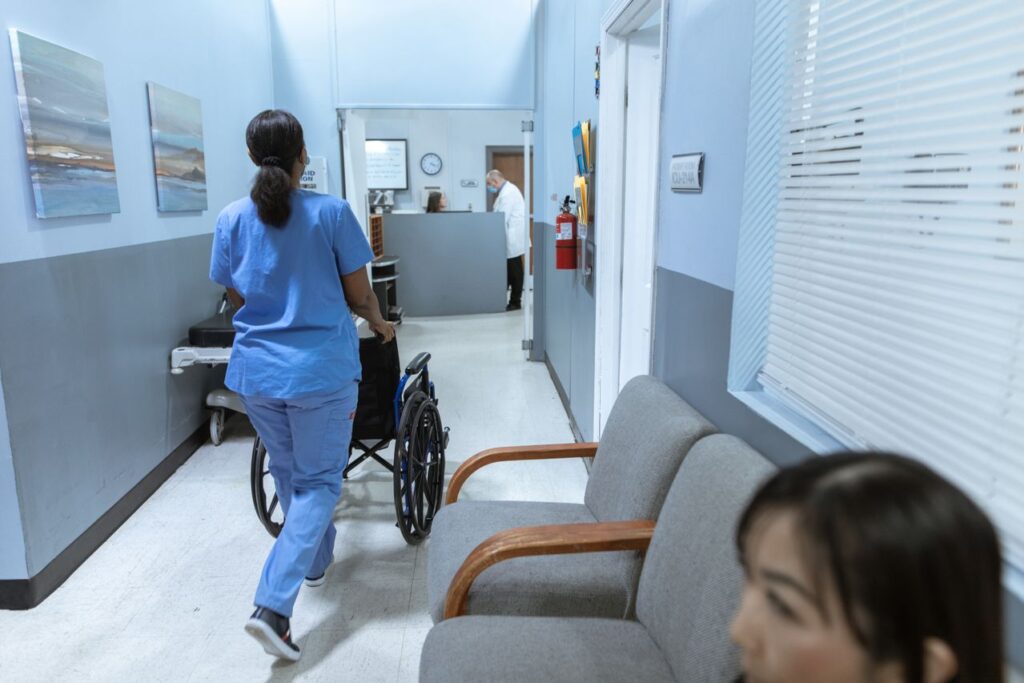
Nurse practitioner clinical rotations are demanding on their own. When you add a long commute, a job, or family duties, the schedule can feel impossible. The good news is that with honest planning, a clear view of your time, and the right support, your commute does not have to control your whole life.
Summer is a key planning season. Kids are out of school, travel picks up, and fall and winter rotations start to feel very close. June is when many NP and APRN students line up sites, match with preceptors, and block out the calendar. When we plan with commute needs in mind, and when we use tools like NP preceptor matching, we can move from constant stress to a setup that actually supports learning.
Build Rotations That Work with Real Life
NP clinical rotations bring unique pressure. You are managing:
- Long shifts on site
- Academic work and exams
- Jobs that help pay the bills
- Childcare, elder care, and home duties
On top of that, many students drive 30, 60, or even more minutes each way, often through traffic or bad weather. A rotation that looks fine on paper can become unsafe if you are driving home late at night after a work shift and 8 clinical hours.
Summer adds its own twist. Longer daylight can help early morning drives, but heat, storms, road work, and holiday trips can slow everything down. That is why June is such a smart month to lock in fall and winter plans. There is still room to choose sites, talk with preceptors, and adjust work schedules.
Commuter-friendly planning is not just about shaving a few minutes off a drive. It is about:
- Protecting sleep
- Avoiding dangerous fatigue behind the wheel
- Keeping enough energy to actually learn at your rotation
Smart time management and support from NP preceptor matching services can help match you with preceptors who respect commute limits, have schedule flexibility, and fit your specialty goals.
Get Clear on Your Commuter Reality
Before you say yes to any NP clinical rotations, map your life first. It helps to write it all out.
Start with your non-negotiables:
- Work shifts and on-call duties
- Childcare pickup and drop-off times
- School schedules for kids
- Public transit options and last train or bus times
- Normal traffic patterns on your routes
Once you see those on a calendar, you can create a realistic weekly time budget. Include:
- Required clinical hours per week
- Commute time each way, with a buffer
- Sleep you truly need to stay safe
- Study time and assignment blocks
If your plan leaves you driving home at midnight after a 14-hour day, that is a warning sign. Many students are used to pushing themselves, but long commutes on top of long clinical shifts can raise the risk of burnout and unsafe driving.
Seasonal and regional details matter too. In summer, heat and storms can slow traffic. In winter, early darkness and ice can make late drives harder. Road construction can add surprise detours. All of this can change whether an early morning or late evening rotation time is realistic for you.
Honest self-assessment right now can save you from mid-rotation panic, missed hours, or needing to scramble to change sites halfway through a term.
Choose Rotation Sites That Respect Your Commute
Once you know your limits, it is time to look at rotation sites through a commuter lens. It helps to focus on geography first, then specialty. Most students have more than one clinical interest area, but you only have one body and one car.
Think about:
- Distance from home, work, or childcare
- Usual traffic on main routes
- Parking costs and availability
- Access to safe public transit
Some sites are more “commuter-smart” than others. You might look for sites that include:
- Clinics that open early so you can finish before a late shift
- Practices with extended evening hours that match your family schedule
- Preceptors who include some telehealth days
- Health systems that host several specialties in one general location
Staying in one system for more than one rotation can cut down on new drive stress and parking surprises. It can also help you build stronger relationships at that site.
Services like Clinical Match Me are built to help with this part. Our nationwide network and pay-after-match model are set up so NP students can focus on what actually matters in daily life. We help you sort by commute realities, like wanting a certain mile range, preferring a suburban clinic over downtown, or needing easy access from a highway or train line. If you want to read how this feels for other students, our reviews page and testimonials share their own words.
Financial pressure is part of the commuter picture too. Gas, tolls, parking, and car wear all add up. A closer site or one with better hours can sometimes save as much money as adding another small work shift.
Build a Rotation Schedule That Actually Works
Once you have potential sites, you can shape a weekly rhythm that respects your commute and your energy. One simple trick is batching your days. Instead of driving four days for 4 hours each, you might plan two days of 8 hours, if your school and preceptor allow it. That cuts your drive days in half.
Different commuter profiles need different patterns:
- Full-time worker: Maybe you block two long clinical days on your days off, keep one day for rest and family, and leave evenings for lighter study.
- Parent with school-age kids: You might stack clinical hours during school day blocks and ask about one late evening to free up another day.
- Long-distance commuter: You could choose fewer, longer days and plan a hard cut-off time to avoid driving home while overly tired.
Whatever your mix, add buffers. Plan extra time for:
- Heavy traffic or accidents
- Weather delays
- Charting at the end of the day
- Quick meals and bathroom breaks
If your preceptor expects you at 8:00, you might plan to arrive by 7:40 most days. Those few extra minutes greatly lower stress when something on the road goes wrong.
Summer is a great time to pull out syllabi, confirm required hours and required specialties, and circle key dates on your calendar. With those in hand, it becomes easier to sync rotation start dates with camp schedules, partner or family support, and even planned trips.
Use Technology and Systems to Tame the Drive
A long commute does not have to feel like wasted time. It does need to be safe time. We like to think of commutes as “productive rest.” That means you give your brain a break from intense study while still moving your goals forward.
On the road, that might look like:
- Light nursing or medical podcasts
- Recorded lectures you can listen to, not watch
- Calming music or short guided breathing to reset between work and clinical
Save deep reading, care plans, and test prep for when you are not behind the wheel.
It can also help to set up a commuter-friendly workflow:
- A digital calendar that holds your work, class, and clinical schedule
- Route-planning apps that alert you to traffic early
- A secure way to note down assignment reminders right after clinical, such as a locked phone note
Think of your car or bag as a small mobile base. A simple “go kit” might include:
- Snacks and water
- Spare scrubs and socks
- Phone and tablet chargers
- Badge, pens, and a small notepad
This setup cuts down the number of times you need to rush home between work and clinical or stress over a forgotten item.
Safety always comes first. That means no texting and driving, no trying to chart or read assignments while rolling, and no pushing speed because you are late. Having a backup route or alternate exit in mind for common bottlenecks can make a big difference on busy days.
Partner with Preceptors Who Understand Commuters
The people you learn from matter as much as the site itself. When you commute, you need preceptors who respect that you are juggling a lot, while still expecting strong effort and professionalism.
It helps to talk about your commute early. You might say something like, “I live about 45 minutes away and also work part-time on these days. I am fully committed to this rotation and want to find a schedule that keeps me safe to drive and fully focused while I am here.” Simple, honest language sets the tone.
You can also ask about flexibility that matters most to commuters, such as:
- Slightly staggered start times on certain days
- Occasional evening or weekend hours
- Some telehealth exposure, if allowed by your program
- The chance to complete more than one specialty rotation within the same system
At Clinical Match Me, our service is built around the idea that fit matters. We connect NP and APRN students with vetted preceptors across the country. Through our matching process, we help you find preceptors who are already open to commuter realities and comfortable working with students from outlying areas. Our pay-after-match model and transparent approach are designed to lower the stress of securing a site, and our money-back guarantee adds another layer of confidence.
When your preceptor understands your commute and you understand their needs, you can build a schedule that supports safe driving, steady learning, and real progress toward practice.
Make Your Commuter Rotation Plan Real Today
A demanding commute does not mean NP clinical rotations have to be chaos. The key is planning around the life you actually have, not the one you wish you had. That starts with choosing one upcoming rotation period, like fall or winter, and sketching a real plan.
You might:
- Clarify your max drive time and days you cannot be on site
- Block your ideal clinical days and hours on a calendar
- Write down your program’s hour and specialty requirements
- Note any seasonal factors, like school start dates or usual storm months
From there, you can start to match sites and preceptors to that plan instead of forcing your life to bend around the first rotation offer that appears. With clear limits, realistic time budgets, and support from a matching service that respects commuter needs, your rotations can support both your education and your everyday life.
When we design NP clinical rotations around distance, time, and energy from the start, the commute becomes one piece of the puzzle, not the part that breaks it.
Secure The Clinical Experience You Need To Thrive As An NP
If you are ready to move from searching to actually securing clinical hours, we are here to help. At Clinical Match Me, we connect you with vetted preceptors and high quality sites so your NP clinical rotations support your learning and long term career goals. Share your needs with us, and we will match you with opportunities that fit your schedule and specialty focus. Start today so you can stay on track for graduation and board certification.

Ready to find your NP preceptor?
Sign up free and start receiving offers from preceptors in your specialty today.
No credit card required. No obligation to pay.