

Inside Psych NP Preceptorships in Community Mental Health
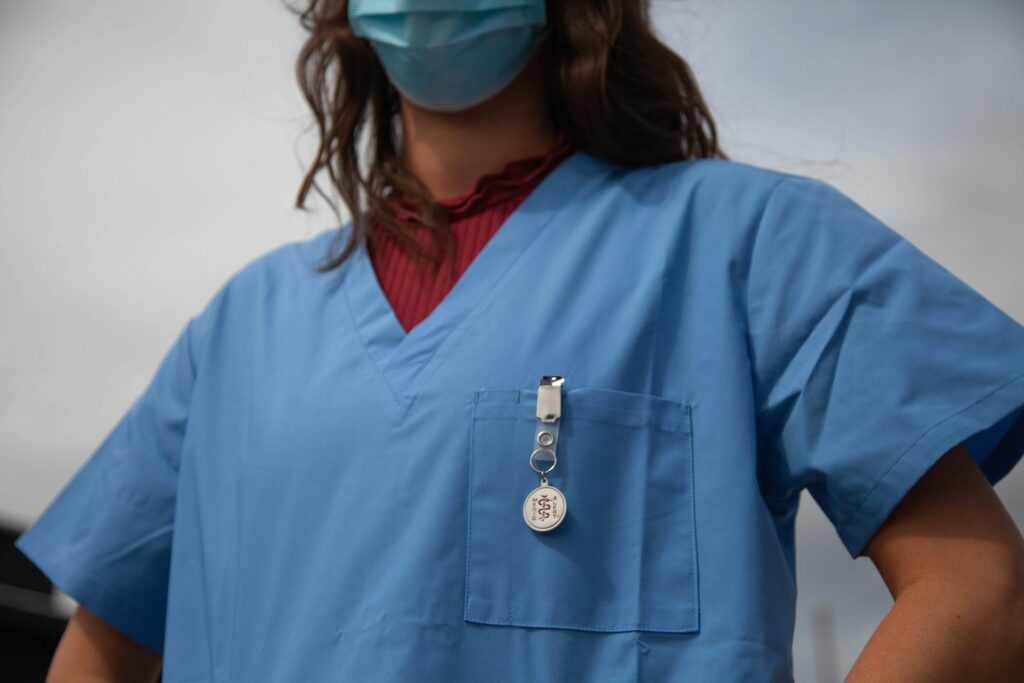
Step Inside Real-World Psych NP Training
Psych NP clinicals in community mental health are where classroom plans meet real people in real crisis. Late summer can feel especially intense, when kids are heading back to school, college students are leaving home, and stress sits heavy in the waiting room.
A typical day for a psych NP student might start with a full schedule and a tight knot of nerves. There are walk-ins with panic attacks, parents worried about a teen, and patients asking for medication changes before fall routines hit. With a strong psychiatric preceptor by their side, that same wild day can turn into a clear, steady learning experience instead of pure overwhelm.
We are going to walk through what these community mental health preceptorships actually look like, how they differ from inpatient psych, what students really pick up beyond textbooks, and how having the right psychiatric preceptor match changes everything for long-term practice.
Why Community Mental Health Rotations Matter
Community mental health is where many of the most complex stories show up at the same time. People may be dealing with psychiatric symptoms along with:
- Substance use or recovery
- Unstable housing or food insecurity
- Family conflict or caregiving stress
- Long histories of trauma and mistrust of systems
In this setting, psych NP students quickly learn that no visit is ever just about medication refills. They practice sorting through what is urgent right now, what can wait, and what needs help from other team members.
These rotations help students grow skills that classroom work alone cannot give, like:
- Brief, focused assessments in 20 to 30 minutes
- Crisis triage, including when to pull in a higher level of care
- Quick problem-solving around community resources and safety plans
Over time, working with underserved patients builds a different kind of clinical judgment. Students learn cultural humility, how to ask questions without making assumptions, and how to respect each person’s story. They also get a better feel for how outpatient clinics, hospitals, crisis teams, and social services fit together in the larger behavioral health system.
For students planning to focus on psychiatry, finding strong PMHNP preceptors in community sites can shape how confident they feel in any setting later on, including primary care or specialty practices.
What Great Psychiatric Preceptors Actually Teach
A great psychiatric preceptor is more than someone who signs off on hours. In community mental health, they model how to stay calm, kind, and clear when the schedule is full and emotions are high.
They tend to focus on a few core areas with students:
- Structured diagnostic interviewing, asking questions that get to mood, thought content, behavior, and function without losing rapport
- Medication management with monitoring plans, including labs, side effect checks, and follow-up timelines
- Risk assessment for suicide, self-harm, and violence, using clear questions and safety planning steps
You also see how they talk to patients. Good preceptors show how to set boundaries, express empathy, and still keep the visit on track. They reveal how to say “no” to unsafe requests without shaming the patient.
On the mentoring side, effective psychiatric preceptors:
- Offer targeted feedback instead of vague “you’re doing fine” comments
- Debrief hard visits and help students process emotional fatigue
- Push students gently away from checklist thinking and into deeper clinical reasoning, like “What is the most likely diagnosis and why? What else do we need to rule out?”
They often bring students into team conversations too, so they can see how NPs work with therapists, case managers, social workers, and primary care providers. For students in family or adult-gero programs, pairing this experience with other rotations found through options like FNP preceptor placements or AGPCNP preceptor sites can round out their view of the whole patient.
A Day in a Community Mental Health Preceptorship
Community clinics often start the morning with a quick team huddle. The group may review:
- High-risk patients on the schedule
- Walk-in slots and crisis coverage
- Any changes in local resources, like shelter availability or new support groups
After that, it is usually back-to-back visits. In late August, seasonal patterns show up clearly. There may be:
- Youth with school-related anxiety or bullying concerns
- Parents asking for ADHD medication adjustments before classes start
- College students struggling with sleep, separation, or panic about the coming term
Follow-up medication visits fill much of the day. A psych NP student might sit in as the preceptor reviews sleep, appetite, mood rating, side effects, and progress on therapy goals. Quick consults with therapists and case managers happen in hallways or through brief messages between visits.
Student responsibilities change as the rotation moves along:
- Early weeks: More observation, asking questions after visits, learning the electronic record
- Middle weeks: Co-visits, where the student leads part of the interview and the preceptor steps in as needed
- Later weeks: The student runs most of the visit, while the psychiatric preceptor joins at key points, double-checks risk, and confirms the plan
By the end of the term, the clinic day feels different. The schedule is still full, but the student knows when to slow down, when to speed up, and when to ask for backup.
Building Core Psych NP Skills That School Cannot Simulate
Textbooks teach criteria and theory, but community mental health teaches pace and priorities. Psych NP students in these preceptorships practice:
- Managing short visits without making patients feel rushed
- Prioritizing top symptoms instead of trying to fix everything in one day
- Setting realistic, measurable treatment goals that both patient and provider can track
Even if the student’s main focus is medication management, they see how brief, evidence-based therapy skills fit into short visits. This can look like:
- Simple CBT tools, such as tracking thoughts and behaviors
- Motivational interviewing around substance use or medication adherence
- Psychoeducation about sleep hygiene, anxiety cycles, or trauma responses
High-acuity and high-complexity cases show up often: suicidal ideation, psychosis, unstable mood, or serious social stress. Repeated exposure under supervision helps students strengthen:
- Confidence in asking direct, clear risk questions
- Boundary setting with patients, families, and even other staff
- Documentation that is accurate, concise, and defensible
- Ethical decision-making when safety, autonomy, and access to care collide
These are not skills that can be fully practiced in a classroom role-play. They grow through real encounters, close guidance from a strong psychiatric preceptor, and honest self-reflection after sessions.
Finding the Right Psychiatric Preceptor Match
Not every excellent clinician is the right teacher for every student. When thinking about a community mental health rotation, it helps to look at:
- Practice setting: outpatient clinic, integrated primary care, school-based program, or specialty community site
- Patient population: children, teens, adults, older adults, or mixed ages
- Supervision style: more structured and directive or more hands-off with room to explore
- Comfort with teaching medication decisions in complex cases, such as polypharmacy or strong medical comorbidities
Common barriers tend to pop up when students wait too long to look for a psychiatric preceptor. Community sites often have:
- Limited space for learners, especially in fall and winter terms
- Internal approval steps and school agreements that take time
- Multiple students from different programs asking for the same rotation window
Services that focus on preceptor matching can smooth this process. For example, students can use options like finding PMHNP preceptors through a structured matching platform, where outreach and paperwork are handled behind the scenes so learners can spend more energy preparing clinically instead of cold-calling busy clinics. Preceptors who already understand school requirements and timeframes often provide more consistent teaching because the logistics are clearer from the start.
Turning Your Psych Rotation Into a Career Springboard
A community mental health preceptorship is not just a box to check. It can be the place where future job options and long-term mentoring relationships start.
Students can turn this rotation into a springboard by:
- Preparing clear learning goals before day one, such as “lead at least two full risk assessments each week”
- Asking for midterm feedback instead of waiting for final evaluations
- Tracking complex or interesting cases in a simple learning journal, noting what went well and what felt confusing
As the rotation wraps up, it helps to talk openly with the psychiatric preceptor about strengths, growth areas, and next steps. This is also the right time to ask about letters of recommendation or ideas for future roles in community settings. Preceptors who enjoy teaching, and who may have joined platforms like preceptor networks that support NP students, are often glad to support learners who show curiosity, humility, and steady effort over the term.
Community mental health work is challenging, but it is also where psych NP skills grow fast and deep. With the right psychiatric preceptor and a thoughtful approach, these rotations can shape not just graduation plans, but an entire career in caring for people where they live, study, and work.
Secure The Psychiatric Preceptorship You Need To Graduate With Confidence
If you are ready to move forward in your PMHNP journey, we can help you match with a qualified psychiatric preceptor who fits your goals, schedule, and location. At Clinical Match Me, we streamline the process so you can focus on learning instead of searching. Take the next step today by starting your placement request so we can support you through a smoother, more reliable clinical experience.

Ready to find your NP preceptor?
Sign up free and start receiving offers from preceptors in your specialty today.
No credit card required. No obligation to pay.