Finding Family Nurse Practitioner Preceptors in Your Area
Understanding the Role of FNP Preceptors
Understanding fnp preceptors near me is one of the most important steps in your NP journey.
Picture this: you’re a nurse practitioner student, excitedly ready to dive into clinical practice, but you hit a wall when it comes to finding FNP preceptors near you. It’s like preparing for a marathon only to find out the track is closed! Understanding the role of FNP preceptors can turn that frustration into a clear path forward.
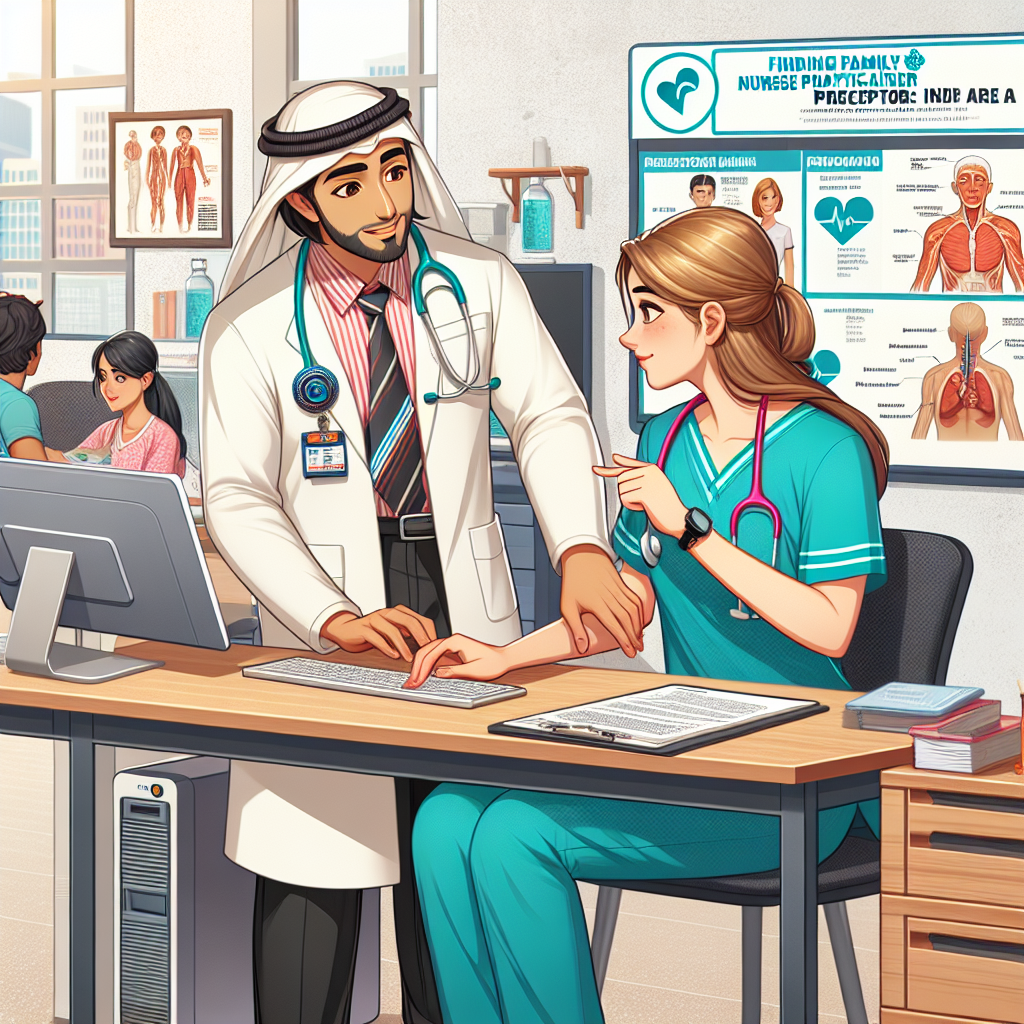
FNP preceptors are not just experienced professionals who sign off on your hours; they are your mentors, guides, and sometimes your biggest cheerleaders. They bridge the gap between theory and practice, helping you transition from textbook knowledge to real-world application. But what does that really mean in terms of your education and future career?
The Mentor-Mentee Dynamic
Think of your preceptor as your personal Yoda—wise, experienced, and slightly less green. They are there to provide feedback, insight, and support as you navigate patient care. Whether it’s managing a complex case or simply learning how to communicate effectively with patients, having an experienced preceptor by your side can make all the difference.
Most importantly, they help cultivate the critical thinking skills necessary for making sound clinical decisions. This relationship is symbiotic: while you learn from them, they also gain fresh perspectives from your academic training.
Clinical Skills Development
Hands-on experience isn’t just a buzzword; it’s essential in nursing education. Preceptors guide you through practical scenarios—like performing physical exams or interpreting lab results—that solidify your clinical skills. It’s one thing to read about these processes; it’s another entirely to do them under supervision.
A well-matched preceptor can elevate your confidence and competence in clinical settings.
Networking Opportunities
It’s not what you know; it’s who you know rings especially true in healthcare. Your preceptor often has a network of contacts that can open doors for internships or job opportunities post-graduation. Building a relationship with them could lead to valuable connections in the field.
Finding FNP Preceptors Near Me—The Search Begins
Now that we’ve established how crucial FNP preceptors are in your training journey, let’s talk about how to find them! Start by leveraging local healthcare networks or educational institutions that offer family nurse practitioner programs. Online platforms like Clinical Match Me can simplify this process by connecting students with preceptors tailored to their needs without any upfront fees.
Remember: while finding FNP preceptors near you may feel daunting at first, understanding their role can empower you to approach this search with clarity and confidence!
Picture this: you’re a nurse practitioner student, excitedly ready to dive into clinical practice, but you hit a wall when it comes to finding FNP preceptors near you. It’s like preparing for a marathon only to find out the track is closed! Understanding the role of FNP preceptors can turn that frustration into a clear path forward.
FNP preceptors are not just experienced professionals who sign off on your hours; they are your mentors, guides, and sometimes your biggest cheerleaders. They bridge the gap between theory and practice, helping you transition from textbook knowledge to real-world application. But what does that really mean in terms of your education and future career?
The Mentor-Mentee Dynamic
Think of your preceptor as your personal Yoda—wise, experienced, and slightly less green. They are there to provide feedback, insight, and support as you navigate patient care. Whether it’s managing a complex case or simply learning how to communicate effectively with patients, having an experienced preceptor by your side can make all the difference.
Most importantly, they help cultivate the critical thinking skills necessary for making sound clinical decisions. This relationship is symbiotic: while you learn from them, they also gain fresh perspectives from your academic training.
When you’re thinking about fnp preceptors near me, keep these points in mind.
Clinical Skills Development
Hands-on experience isn’t just a buzzword; it’s essential in nursing education. Preceptors guide you through practical scenarios—like performing physical exams or interpreting lab results—that solidify your clinical skills. It’s one thing to read about these processes; it’s another entirely to do them under supervision.
A well-matched preceptor can elevate your confidence and competence in clinical settings.
Networking Opportunities
It’s not what you know; it’s who you know rings especially true in healthcare. Your preceptor often has a network of contacts that can open doors for internships or job opportunities post-graduation. Building a relationship with them could lead to valuable connections in the field.
Finding FNP Preceptors Near Me—The Search Begins
Now that we’ve established how crucial FNP preceptors are in your training journey, let’s talk about how to find them! Start by leveraging local healthcare networks or educational institutions that offer family nurse practitioner programs. Online platforms like Clinical Match Me can simplify this process by connecting students with preceptors tailored to their needs without any upfront fees.
Remember: while finding FNP preceptors near you may feel daunting at first, understanding their role can empower you to approach this search with clarity and confidence!
Identifying Potential Preceptor Sources
Imagine this: you’re ready to step into the world of patient care, but the search for FNP preceptors near you feels like trying to find a needle in a haystack. With the right strategy, though, that needle can become a whole toolbox of opportunities.
Local Healthcare Facilities
Start by tapping into local healthcare facilities. Hospitals and clinics are often buzzing with experienced practitioners eager to mentor the next generation. Reach out to family medicine departments, urgent care centers, and even specialty clinics. They might not only be open to hosting students but also have established programs for mentorship.
Networking with Alumni
Your school's alumni network is a goldmine! Connect with recent graduates who have successfully navigated the preceptor hunt. They can provide insights on where they found their preceptors and might even be able to introduce you directly. A personal connection can sometimes make all the difference!
Professional Organizations
Don’t overlook professional organizations like the American Association of Nurse Practitioners (AANP). They often have resources for students seeking preceptors, including directories or forums where you can connect with potential mentors. These organizations are filled with professionals passionate about advancing nursing education.
Pro tip: Attend local AANP events or webinars—networking opportunities abound!
Online Platforms
Clinical Match Me is an excellent tool that simplifies your search for FNP preceptors near you. This platform connects students with preceptors based on specific needs and preferences, making it easier than ever to find someone who fits your learning style without any upfront fees.
Imagine this: you’re ready to step into the world of patient care, but the search for FNP preceptors near you feels like trying to find a needle in a haystack. With the right strategy, though, that needle can become a whole toolbox of opportunities.
Local Healthcare Facilities
Start by tapping into local healthcare facilities. Hospitals and clinics are often buzzing with experienced practitioners eager to mentor the next generation. Reach out to family medicine departments, urgent care centers, and even specialty clinics. They might not only be open to hosting students but also have established programs for mentorship.
The topic of fnp preceptors near me comes up a lot in conversations with NP students and preceptors.
Networking with Alumni
Your school's alumni network is a goldmine! Connect with recent graduates who have successfully navigated the preceptor hunt. They can provide insights on where they found their preceptors and might even be able to introduce you directly. A personal connection can sometimes make all the difference!
Professional Organizations
Don’t overlook professional organizations like the American Association of Nurse Practitioners (AANP). They often have resources for students seeking preceptors, including directories or forums where you can connect with potential mentors. These organizations are filled with professionals passionate about advancing nursing education.
Pro tip: Attend local AANP events or webinars—networking opportunities abound!
Online Platforms
Clinical Match Me is an excellent tool that simplifies your search for FNP preceptors near you. This platform connects students with preceptors based on specific needs and preferences, making it easier than ever to find someone who fits your learning style without any upfront fees.
Leveraging Online Platforms for Preceptor Search
Finding FNP preceptors near you can feel like searching for a unicorn in a forest of pine trees. You know they exist, but spotting one is another story! Luckily, online platforms are here to help bridge that gap and make your search less like a wild goose chase.
Consider Clinical Match Me—an innovative tool designed specifically for students like you. With zero upfront fees and no need for subscriptions, it’s like having a personal assistant who knows exactly what you need. The platform connects you with preceptors based on your specific preferences and requirements, ensuring that the match is not only convenient but also tailored to your unique learning style.
Why Online Platforms Are Game-Changers
Let’s face it: traditional methods of finding preceptors can be painfully slow and frustrating. Cold-calling clinics or sending out countless emails can lead to radio silence or vague responses. Online platforms streamline this process, allowing you to focus on what really matters—your education and clinical skills development.
- Instant access to a network of potential preceptors in your area.
- Personalized matching based on your clinical interests and goals.
- Timely updates on available placements without the hassle.
Real-World Success Stories
I was overwhelmed by the thought of finding FNP preceptors near me until I stumbled upon Clinical Match Me, shares Sarah, a nurse practitioner student. Within days, I was matched with an incredible mentor who not only guided me through my clinical rotations but also helped me land my first job post-graduation! Stories like Sarah’s are becoming increasingly common as more students leverage these online resources.
The right online platform can transform your preceptor search from daunting to doable.
But how do I know which platform is right for me? you might wonder. Look for features like user reviews, ease of navigation, and support services offered by the platform. A good match isn’t just about convenience; it’s about finding someone who resonates with your educational needs.
Next Steps in Your Search
Finding FNP preceptors near you can feel like searching for a unicorn in a forest of pine trees. You know they exist, but spotting one is another story! Luckily, online platforms are here to help bridge that gap and make your search less like a wild goose chase.
Consider Clinical Match Me—an innovative tool designed specifically for students like you. With zero upfront fees and no need for subscriptions, it’s like having a personal assistant who knows exactly what you need. The platform connects you with preceptors based on your specific preferences and requirements, ensuring that the match is not only convenient but also tailored to your unique learning style.
Why Online Platforms Are Game-Changers
Let’s face it: traditional methods of finding preceptors can be painfully slow and frustrating. Cold-calling clinics or sending out countless emails can lead to radio silence or vague responses. Online platforms streamline this process, allowing you to focus on what really matters—your education and clinical skills development.
Getting fnp preceptors near me right can save you a lot of time and stress down the road.
- Instant access to a network of potential preceptors in your area.
- Personalized matching based on your clinical interests and goals.
- Timely updates on available placements without the hassle.
Real-World Success Stories
I was overwhelmed by the thought of finding FNP preceptors near me until I stumbled upon Clinical Match Me, shares Sarah, a nurse practitioner student. Within days, I was matched with an incredible mentor who not only guided me through my clinical rotations but also helped me land my first job post-graduation! Stories like Sarah’s are becoming increasingly common as more students leverage these online resources.
The right online platform can transform your preceptor search from daunting to doable.
But how do I know which platform is right for me? you might wonder. Look for features like user reviews, ease of navigation, and support services offered by the platform. A good match isn’t just about convenience; it’s about finding someone who resonates with your educational needs.
Next Steps in Your Search
Building Relationships with Potential Preceptors
Imagine this: you finally find a list of FNP preceptors near you, but the thought of reaching out feels like preparing for a blind date with someone who might not even show up. Building relationships with potential preceptors can feel intimidating, but it’s the secret sauce to making your clinical rotation experience not just bearable, but downright enjoyable.
The truth is, preceptors are people too—busy professionals juggling patient care and their own lives. They appreciate when students take the time to connect genuinely. Think of it as dating; you wouldn’t just send a generic text saying, Hey, wanna hang out? Instead, you’d craft something more personal that shows you’re interested in their unique experiences.
Start with Research
Before sliding into those DMs or sending that email, do your homework! Research potential preceptors by looking into their specialties, interests, and any recent publications. If they’ve written an article on managing chronic diseases or have a passion for pediatrics, mention it when you reach out. This shows you’re not just another student; you’re someone who values their expertise.
Crafting Your Introduction
When it comes to introducing yourself, less is definitely not more! Your first message should be concise but packed with personality. Start by introducing yourself and explaining your current program. Share why you’re interested in their specific area of practice and how you believe they could help shape your skills as an FNP.
A tailored approach goes a long way in establishing rapport!
Follow Up Like a Pro
No response? No problem! If your initial outreach doesn’t get a reply within a week or two, don’t hesitate to follow up. A gentle nudge can remind them of your interest without coming off as pushy. Just say something like, I wanted to check in on my previous message regarding potential mentorship opportunities. This keeps the door open for future conversations.
The Power of Gratitude
Thank you goes a long way! Once you've made contact or even after an informational interview, send a thank-you note expressing appreciation for their time and insights. It’s simple yet effective—this small gesture can leave a lasting impression and keep the lines of communication open.
Networking Beyond the Email
While emails are great for initial contact, don’t underestimate the power of face-to-face interactions. Attend local healthcare events or workshops where potential preceptors might be speaking or participating. This gives you an opportunity to introduce yourself personally and make an impression that an email simply can’t convey.
Remember: building relationships isn’t just about finding someone to sign off on your hours; it’s about creating connections that will benefit both parties. As much as they’ll be teaching you during clinical rotations, don’t forget that fresh perspectives from students can invigorate even seasoned professionals!
Imagine this: you finally find a list of FNP preceptors near you, but the thought of reaching out feels like preparing for a blind date with someone who might not even show up. Building relationships with potential preceptors can feel intimidating, but it’s the secret sauce to making your clinical rotation experience not just bearable, but downright enjoyable.
This is especially important when it comes to fnp preceptors near me.
The truth is, preceptors are people too—busy professionals juggling patient care and their own lives. They appreciate when students take the time to connect genuinely. Think of it as dating; you wouldn’t just send a generic text saying, Hey, wanna hang out? Instead, you’d craft something more personal that shows you’re interested in their unique experiences.
Start with Research
Before sliding into those DMs or sending that email, do your homework! Research potential preceptors by looking into their specialties, interests, and any recent publications. If they’ve written an article on managing chronic diseases or have a passion for pediatrics, mention it when you reach out. This shows you’re not just another student; you’re someone who values their expertise.
Crafting Your Introduction
When it comes to introducing yourself, less is definitely not more! Your first message should be concise but packed with personality. Start by introducing yourself and explaining your current program. Share why you’re interested in their specific area of practice and how you believe they could help shape your skills as an FNP.
A tailored approach goes a long way in establishing rapport!
Follow Up Like a Pro
No response? No problem! If your initial outreach doesn’t get a reply within a week or two, don’t hesitate to follow up. A gentle nudge can remind them of your interest without coming off as pushy. Just say something like, I wanted to check in on my previous message regarding potential mentorship opportunities. This keeps the door open for future conversations.
The Power of Gratitude
Thank you goes a long way! Once you've made contact or even after an informational interview, send a thank-you note expressing appreciation for their time and insights. It’s simple yet effective—this small gesture can leave a lasting impression and keep the lines of communication open.
Networking Beyond the Email
While emails are great for initial contact, don’t underestimate the power of face-to-face interactions. Attend local healthcare events or workshops where potential preceptors might be speaking or participating. This gives you an opportunity to introduce yourself personally and make an impression that an email simply can’t convey.
Remember: building relationships isn’t just about finding someone to sign off on your hours; it’s about creating connections that will benefit both parties. As much as they’ll be teaching you during clinical rotations, don’t forget that fresh perspectives from students can invigorate even seasoned professionals!
Navigating Challenges in Finding Preceptors
Finding FNP preceptors near you can feel like trying to navigate a labyrinth—one wrong turn and you might end up in a dead-end. With reports showing that nearly 40% of nurse practitioner students struggle to secure preceptors, the challenge is real and daunting.
Imagine this: you're a dedicated nurse practitioner student, passionate about patient care, but the search for a preceptor feels like searching for Wi-Fi in the middle of nowhere. Frustrating, right? You’re not alone; many students face this uphill battle. But let’s turn that frustration into actionable strategies.
The Preceptor Drought
The reality is that many healthcare facilities are overwhelmed with their current workloads. Preceptors often juggle their own patients while trying to mentor students, leading to a scarcity in available slots. This means that even if you find potential FNP preceptors near you, they may not have the bandwidth to take on more students.
- Limited availability of experienced practitioners.
- High demand for mentorship due to increasing NP programs.
- Time constraints faced by potential preceptors.
Strategies for Overcoming Obstacles
Don’t let the challenges discourage you! Here are some strategies to help navigate the tricky waters of finding FNP preceptors:
- Expand Your Search Radius: Sometimes, widening your geographical scope can uncover hidden gems. Explore neighboring towns or cities where healthcare facilities might be more open to taking on students.
- Leverage Online Platforms: Tools like Clinical Match Me are designed specifically to help students connect with preceptors efficiently. They can save you time and reduce the stress of cold outreach.
- Network Relentlessly: Don’t underestimate the power of personal connections! Reach out through social media platforms like LinkedIn or attend local nursing events where potential mentors might be present.
The right approach can turn obstacles into stepping stones on your path to finding a valuable preceptor.
Many NP students find that fnp preceptors near me makes a real difference in their clinical experience.
In conclusion, navigating the challenges of finding FNP preceptors requires creativity and persistence. Embrace these strategies as part of your journey toward becoming a confident family nurse practitioner!
Finding FNP preceptors near you can feel like trying to navigate a labyrinth—one wrong turn and you might end up in a dead-end. With reports showing that nearly 40% of nurse practitioner students struggle to secure preceptors, the challenge is real and daunting.
Imagine this: you're a dedicated nurse practitioner student, passionate about patient care, but the search for a preceptor feels like searching for Wi-Fi in the middle of nowhere. Frustrating, right? You’re not alone; many students face this uphill battle. But let’s turn that frustration into actionable strategies.
The Preceptor Drought
The reality is that many healthcare facilities are overwhelmed with their current workloads. Preceptors often juggle their own patients while trying to mentor students, leading to a scarcity in available slots. This means that even if you find potential FNP preceptors near you, they may not have the bandwidth to take on more students.
- Limited availability of experienced practitioners.
- High demand for mentorship due to increasing NP programs.
- Time constraints faced by potential preceptors.
Strategies for Overcoming Obstacles
Don’t let the challenges discourage you! Here are some strategies to help navigate the tricky waters of finding FNP preceptors:
- Expand Your Search Radius: Sometimes, widening your geographical scope can uncover hidden gems. Explore neighboring towns or cities where healthcare facilities might be more open to taking on students.
- Leverage Online Platforms: Tools like Clinical Match Me are designed specifically to help students connect with preceptors efficiently. They can save you time and reduce the stress of cold outreach.
- Network Relentlessly: Don’t underestimate the power of personal connections! Reach out through social media platforms like LinkedIn or attend local nursing events where potential mentors might be present.
The right approach can turn obstacles into stepping stones on your path to finding a valuable preceptor.
In conclusion, navigating the challenges of finding FNP preceptors requires creativity and persistence. Embrace these strategies as part of your journey toward becoming a confident family nurse practitioner!
Maximizing the Preceptorship Experience Once Matched
Securing a preceptor is just the first hurdle in your nurse practitioner journey; maximizing that experience is where the real magic happens. Think about it: you’ve finally found an FNP preceptor near you, but if you don’t actively engage and make the most of this opportunity, it’s like having a gym membership without ever stepping foot inside the gym.
Set Clear Goals
Before diving into your clinical rotations, take a moment to outline what you hope to achieve. Are you looking to enhance your diagnostic skills? Or maybe you want to get comfortable with patient communication? Having clear goals helps both you and your preceptor focus on what matters most. Plus, it shows that you're proactive—something every preceptor appreciates!
Communicate Openly
Communication is key in any relationship, and this one is no different. Don’t be shy about discussing your learning preferences or any areas where you feel less confident. A good preceptor will appreciate your honesty and can tailor their approach to better suit your needs. Think of it as being in a dance; both partners need to be in sync for it to work well.
Pro tip: Regular check-ins with your preceptor can help keep both of you aligned on expectations and progress.
Seek Feedback Actively
Feedback is the breakfast of champions, said no one ever—but they should have! Actively seek feedback on your performance during rotations. Ask specific questions like, What could I have done differently in that patient interaction? This not only demonstrates your commitment to growth but also fosters a culture of open dialogue between you and your mentor.
Be Resourceful
I didn’t know what I didn’t know—a phrase all too familiar for students entering clinical practice. Use this time wisely by researching cases or conditions relevant to what you're observing or practicing. Bring questions or topics for discussion during downtime with your preceptor. It shows initiative and can spark valuable conversations that enhance your learning experience.
Networking Is Not Just a Buzzword
Securing a preceptor is just the first hurdle in your nurse practitioner journey; maximizing that experience is where the real magic happens. Think about it: you’ve finally found an FNP preceptor near you, but if you don’t actively engage and make the most of this opportunity, it’s like having a gym membership without ever stepping foot inside the gym.
Set Clear Goals
Before diving into your clinical rotations, take a moment to outline what you hope to achieve. Are you looking to enhance your diagnostic skills? Or maybe you want to get comfortable with patient communication? Having clear goals helps both you and your preceptor focus on what matters most. Plus, it shows that you're proactive—something every preceptor appreciates!
Communicate Openly
Communication is key in any relationship, and this one is no different. Don’t be shy about discussing your learning preferences or any areas where you feel less confident. A good preceptor will appreciate your honesty and can tailor their approach to better suit your needs. Think of it as being in a dance; both partners need to be in sync for it to work well.
Pro tip: Regular check-ins with your preceptor can help keep both of you aligned on expectations and progress.
Seek Feedback Actively
Feedback is the breakfast of champions, said no one ever—but they should have! Actively seek feedback on your performance during rotations. Ask specific questions like, What could I have done differently in that patient interaction? This not only demonstrates your commitment to growth but also fosters a culture of open dialogue between you and your mentor.
Be Resourceful
I didn’t know what I didn’t know—a phrase all too familiar for students entering clinical practice. Use this time wisely by researching cases or conditions relevant to what you're observing or practicing. Bring questions or topics for discussion during downtime with your preceptor. It shows initiative and can spark valuable conversations that enhance your learning experience.
Networking Is Not Just a Buzzword
Legal and Ethical Considerations in Preceptorships
Let’s get real: navigating the legal and ethical maze of preceptorships can feel like trying to solve a Rubik's Cube blindfolded. With the stakes high and the rules often murky, understanding your responsibilities as a student and your preceptor’s role is crucial.
Did you know that nearly 25% of nursing students report feeling unprepared to handle ethical dilemmas during their clinical rotations? This statistic highlights a significant gap in training that can lead to serious missteps if not addressed. Legal and ethical considerations aren't just bureaucratic red tape—they're the foundation of patient safety and professional integrity.
Understanding Liability
Liability is a hot-button issue that every nurse practitioner student should grasp before stepping into a clinical setting. When you’re out there providing care, you’re not just representing yourself; you’re also representing your school and your preceptor. If something goes awry—say, a misdiagnosis or an error in medication administration—who bears the brunt of the fallout? Spoiler alert: it could be all parties involved.
Always ensure you have adequate malpractice insurance before starting your clinical rotations.
Informed Consent Matters
Informed consent isn’t just a formality; it’s an ethical obligation. Patients need to understand what procedures they are undergoing, including potential risks and benefits. As an FNP student, you'll likely be involved in discussions about treatment plans or procedures. Remember, it’s not just about checking off boxes; it’s about ensuring patients are fully informed participants in their care.
- Always explain procedures clearly to patients.
- Encourage questions and provide comprehensive answers.
- Document consent discussions thoroughly.
Scope of Practice Explained
Scope of practice refers to the activities that a nurse practitioner is legally permitted to perform based on their qualifications and licensure. As a student, it's essential to understand where your skills fit within this framework. Overstepping these boundaries can lead to severe consequences—not just for you but also for your preceptor who may be held accountable for allowing it.
Let’s get real: navigating the legal and ethical maze of preceptorships can feel like trying to solve a Rubik's Cube blindfolded. With the stakes high and the rules often murky, understanding your responsibilities as a student and your preceptor’s role is crucial.
Did you know that nearly 25% of nursing students report feeling unprepared to handle ethical dilemmas during their clinical rotations? This statistic highlights a significant gap in training that can lead to serious missteps if not addressed. Legal and ethical considerations aren't just bureaucratic red tape—they're the foundation of patient safety and professional integrity.
Understanding Liability
Liability is a hot-button issue that every nurse practitioner student should grasp before stepping into a clinical setting. When you’re out there providing care, you’re not just representing yourself; you’re also representing your school and your preceptor. If something goes awry—say, a misdiagnosis or an error in medication administration—who bears the brunt of the fallout? Spoiler alert: it could be all parties involved.
Always ensure you have adequate malpractice insurance before starting your clinical rotations.
Informed Consent Matters
Informed consent isn’t just a formality; it’s an ethical obligation. Patients need to understand what procedures they are undergoing, including potential risks and benefits. As an FNP student, you'll likely be involved in discussions about treatment plans or procedures. Remember, it’s not just about checking off boxes; it’s about ensuring patients are fully informed participants in their care.
- Always explain procedures clearly to patients.
- Encourage questions and provide comprehensive answers.
- Document consent discussions thoroughly.
Scope of Practice Explained
Scope of practice refers to the activities that a nurse practitioner is legally permitted to perform based on their qualifications and licensure. As a student, it's essential to understand where your skills fit within this framework. Overstepping these boundaries can lead to severe consequences—not just for you but also for your preceptor who may be held accountable for allowing it.