The Complete Guide to Finding NP Preceptors in Your Specialty
Finding NP preceptors can often feel like a daunting task for nurse practitioner students, but it doesn't have to be! In this complete guide, we’ll explore effective strategies for locating the right preceptors in your specialty, from leveraging technology to networking with experienced professionals. Whether you're just starting your clinical placement journey or looking for tips to connect with potential mentors, we've got you covered with resources and insights that will make your search smoother and more successful.
Understanding the Role of NP Preceptors
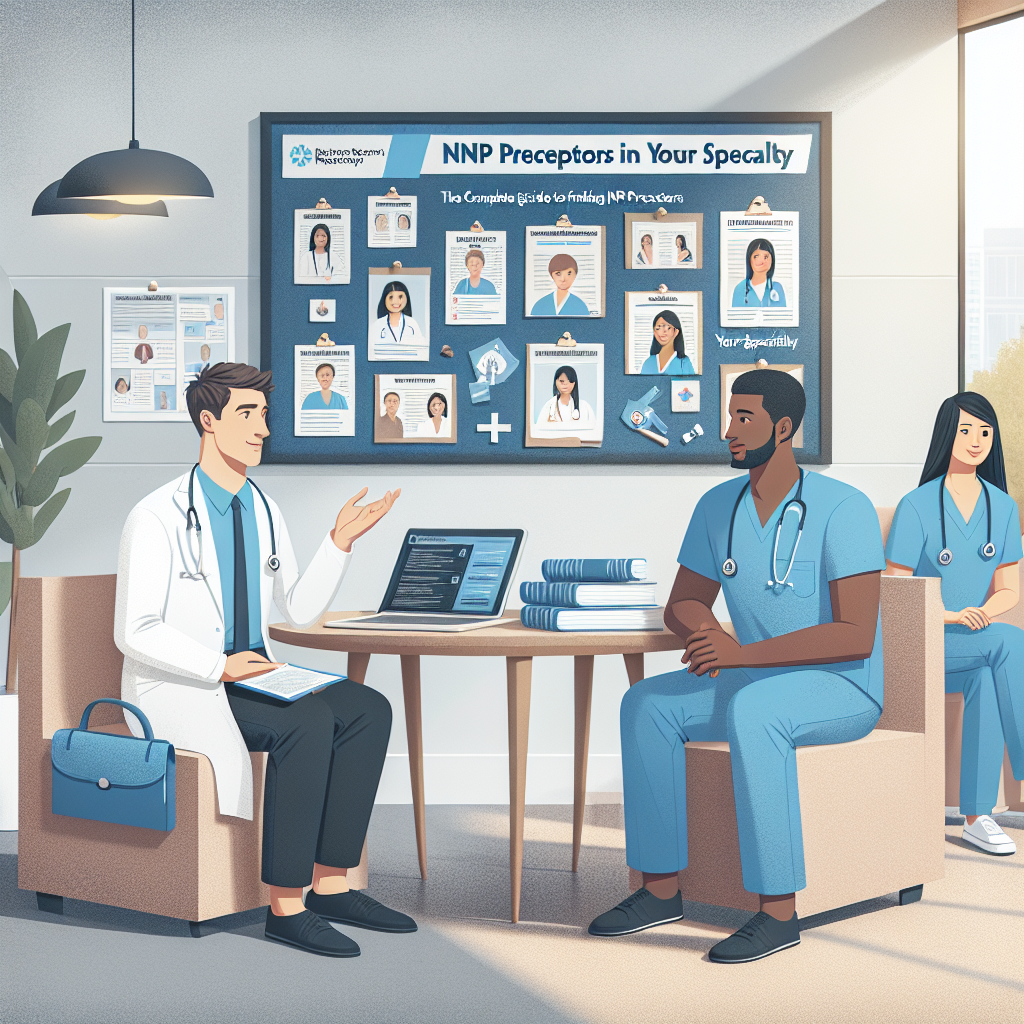
NP preceptors are experienced nurse practitioners or healthcare professionals who guide NP students during their clinical training. They offer crucial mentorship, sharing their knowledge and skills while overseeing the student’s practical application of theory in real-world settings.
Importance of Preceptors in Clinical Training
The role of a preceptor goes beyond just supervision; they are pivotal in shaping a student's clinical experience. Effective preceptors provide feedback, help students navigate complex patient interactions, and facilitate the development of critical thinking skills. This relationship is essential for bridging the gap between classroom learning and practical application, making it a vital component of NP education.
However, finding NP preceptors can be challenging due to varying availability across specialties. For instance, while primary care settings may have more preceptors available due to higher patient volumes, specialties like dermatology or psychiatry may have limited options. This discrepancy can complicate securing quality clinical placements.
Differences Between Various Specialties
Each specialty has unique requirements for NP preceptors, which can affect the search process. For example, some specialties require preceptors to have specific certifications or years of experience. In surgical fields, for instance, hands-on procedures and direct mentorship are critical elements that must be prioritized when locating a suitable preceptor.
Specialty-specific requirements can greatly influence your search for NP preceptors.
Consider this: A student pursuing a career in pediatrics may find it easier to connect with pediatric nurses who are passionate about teaching compared to those in less common specialties like gerontology. Networking through relevant professional organizations can significantly enhance your chances of finding appropriate mentors.
Networking Strategies for Finding Preceptors
Networking is a critical component in finding NP preceptors. While many students rely on formal channels, personal connections often yield better results. Engaging with professionals in your field can open doors to opportunities that may not be publicly advertised.
Leveraging Professional Organizations
Professional organizations provide valuable networking platforms for NP students. Many organizations have local chapters that host events, workshops, and mentorship programs specifically designed for aspiring nurse practitioners. For example, the American Association of Nurse Practitioners (AANP) offers resources and connections that can lead to potential preceptor relationships.
However, simply joining these organizations isn’t enough; active participation is crucial. Attend meetings and engage with fellow members to increase visibility within the community. This engagement can result in direct referrals or recommendations from established professionals who understand the importance of mentorship.
Attending Industry Conferences
Industry conferences are another effective venue for networking. These events not only provide educational content but also facilitate informal interactions with experienced practitioners. Consider attending conferences relevant to your specialty; they often feature sessions aimed at connecting students with potential preceptors.
For instance, a student interested in family practice might attend an annual family medicine conference where they could meet practicing NPs willing to mentor. The face-to-face interaction helps build rapport and increases the likelihood of securing a preceptorship.
Using Social Media Platforms Like LinkedIn
Social media can be a powerful tool for networking when used strategically. LinkedIn is particularly effective for connecting with healthcare professionals and finding NP preceptors. Use your profile to highlight your aspirations and current education status, then actively engage with content shared by practitioners in your desired field.
Many professionals share their experiences and insights on LinkedIn, which can lead to valuable conversations. For example, commenting on posts or sharing relevant articles can draw attention from potential mentors who appreciate active engagement.
- Join relevant groups focused on nurse practitioner education or specific specialties.
- Reach out directly to individuals whose work you admire; many will be willing to share their knowledge.
Connecting through social media should be genuine; aim for building relationships rather than just asking for favors.
Misunderstanding the purpose of networking can hinder success. It’s not merely transactional but rather about cultivating long-term relationships within the profession. A well-placed introduction or recommendation from an established practitioner often makes all the difference in securing clinical placements.
Utilizing Technology to Find Preceptors
Technology has fundamentally changed the landscape of finding NP preceptors. Online platforms like Clinical Match Me are tailored to streamline the preceptor search process, offering a database that connects NP students with potential mentors in their specialty.
One significant advantage of using these platforms is the personalized matching feature. Instead of cold-calling potential preceptors or relying solely on word-of-mouth, students can input their specific needs and preferences, making it easier to find suitable matches. This targeted approach not only saves time but also increases the likelihood of securing a quality clinical placement.
How technology can streamline the matching process
Beyond simple databases, advanced algorithms on these platforms can analyze various factors such as location, specialty requirements, and even availability. For example, a student interested in pediatrics can quickly filter through potential preceptors who are actively offering mentorship opportunities in their area. This level of specificity is often unattainable through traditional methods.
However, users should be aware that while technology enhances efficiency, it does not eliminate the need for personal outreach and relationship-building. A strong initial message sent through these platforms can set the right tone for future interactions with potential mentors.
Comparison with traditional methods
Traditional methods like networking events or cold outreach often involve significant time and effort with no guarantee of success. In contrast, technology allows for a more strategic approach by leveraging data to connect students with preceptors more effectively. For instance, while many students might spend weeks trying to find a suitable mentor through personal networks or local contacts, an online platform could yield multiple options within days.
- Increased access to a broader range of specialties.
- Time-efficient search capabilities compared to traditional networking.
- Immediate updates on available mentorship opportunities.
'Leveraging technology is not just about finding preceptors; it's about enhancing your chances for meaningful connections.'
Crafting an Effective Outreach Message
A well-crafted outreach message is crucial when finding NP preceptors. This initial contact sets the stage for your relationship and can significantly impact your chances of securing a placement. Your message should be concise, respectful, and clearly articulate your intentions.
Key components of a successful outreach email
First, introduce yourself and mention your current program and goals. Clearly state why you are reaching out to them specifically—highlight any shared interests or connections. Be direct about what you're seeking; whether it's mentorship, a clinical placement, or guidance on navigating the field. Lastly, close with a polite request for a meeting or conversation to discuss potential opportunities.
- Personalize the email with the preceptor's name and details about their practice.
- Include specific information about your training and what you hope to learn.
- Be courteous in your tone and express appreciation for their time.
Personalization can significantly increase response rates.
Personalizing your message
Generic outreach messages often go unanswered. Take time to research each potential preceptor's background and current practice focus. Mentioning specific projects they've worked on or articles they've published can demonstrate genuine interest. This level of engagement shows that you value their expertise and are not just sending mass emails to multiple contacts.
For example, if you are interested in pediatrics and find a preceptor who has published research on childhood obesity interventions, referencing that work in your message could lead to a more meaningful connection.
Follow-up strategies
'If you do not receive a response within a week or two, it’s appropriate to send a follow-up email. Keep it brief; reiterate your previous message's key points while expressing continued interest.' This shows persistence without coming across as pushy.
However, be prepared for potential rejection; not every preceptor will have availability or interest in mentoring at that moment. Understanding this can help mitigate disappointment and keep you motivated during your search.
Many students underestimate the importance of follow-ups in securing mentorship opportunities. Consistency shows dedication and may encourage preceptors who might have initially been too busy to consider taking on another mentee.
Maintaining Relationships with Preceptors
Effective communication is essential during clinical rotations, but it shouldn't stop there. Maintaining relationships with your preceptors can significantly influence your professional growth and opportunities in the future.
Regularly checking in with preceptors after your rotation can help solidify the mentorship relationship. This could be as simple as sending an email update about your progress or achievements. Such gestures reinforce your appreciation for their guidance and keep you on their radar for future opportunities.
How to Show Appreciation to Your Preceptor
Acknowledging the time and effort your preceptor invested in your training is crucial. A handwritten thank-you note can go a long way, demonstrating genuine gratitude. Additionally, sharing how their mentorship positively impacted your clinical skills or decision-making process can further highlight their influence on your development.
- Send a personalized thank-you note after completing your rotation.
- Share specific instances where their guidance made a difference in your learning.
- Offer to assist them in future projects or research if applicable.
Showing appreciation strengthens professional ties and opens doors for future collaborations.
Strategies for Staying Connected After Rotations
'Networking doesn’t end once your clinical rotation is over. Utilize platforms like LinkedIn to maintain visibility within the professional community. Regularly engaging with your preceptor's posts or sharing relevant articles can keep the connection alive.'
For instance, if you see a post from your former preceptor discussing a new treatment protocol, commenting on it with insights from what you learned during rotations shows ongoing engagement and respect for their expertise.
Many NP students overlook the importance of building these relationships early on. In practice, having a mentor who knows you well can be invaluable when seeking job recommendations or additional mentorship later in your career.
Ultimately, maintaining these connections requires effort and reciprocity; it's not just about what you gain from the relationship but also what you bring to it.
Addressing Common Challenges in Finding Preceptors
Finding NP preceptors is often fraught with challenges, and understanding these hurdles can help you navigate your search more effectively. One of the most daunting aspects is dealing with rejection or unresponsiveness from potential preceptors. Many students experience this firsthand when reaching out, only to receive silence or a firm no. This can be disheartening, but it's essential to recognize that rejection is often not personal; preceptors may already be committed to mentoring other students or simply lack the capacity to take on additional responsibilities.
Dealing with Rejection or Unresponsiveness
The key here is persistence and adapting your approach. If you do not hear back after your initial outreach, consider refining your message or trying a different communication method. For instance, if an email goes unanswered, a polite phone call might yield better results. Moreover, diversifying your search by expanding your network can also open doors that previously seemed closed. Engaging with local NP groups or online forums can lead to connections that may not be widely advertised.
Managing Limited Availability in Certain Specialties
Certain specialties present unique challenges due to limited availability of preceptors. For example, fields like dermatology or psychiatry often have fewer practitioners willing to mentor students compared to more common areas such as family medicine. This imbalance requires strategic planning on the part of the student. You might need to broaden your specialty focus or consider related fields where mentorship opportunities are more plentiful.
For instance, a student focused on psychiatry might explore opportunities in mental health nursing or behavioral health settings as a way to gain relevant experience while still pursuing their ultimate career goal. Being flexible about the type of clinical exposure you seek can significantly increase your chances of securing a placement.
Finding Preceptors in Rural Areas
Rural areas pose their own set of challenges when it comes to finding NP preceptors. The limited number of healthcare facilities and practitioners can make it difficult for students in these regions. One effective strategy is to reach out directly to local clinics and hospitals that may not have formalized preceptor programs but are open to mentorship opportunities. Building relationships with healthcare providers through community events can also create pathways for securing placements.
Networking locally can yield surprising results; many practitioners appreciate the initiative shown by students seeking mentorship.
Ultimately, understanding these common challenges equips you with strategies that enhance your search for NP preceptors. It's crucial not only to remain persistent but also flexible in your approach—whether that's broadening specialty interests or actively engaging with local health professionals. Every effort counts toward building a robust clinical placement experience.
Success Stories: Nurse Practitioners Who Found Their Preceptors
Many nurse practitioners have successfully navigated the often challenging landscape of finding NP preceptors, and their stories provide valuable insights. For instance, one NP student shared how she secured her preceptor by attending a local health fair. While there, she struck up a conversation with a practicing NP who was impressed by her proactive approach and willingness to learn. This serendipitous meeting led to a mentorship that enriched her clinical training and established a lasting professional relationship.
Lessons learned from their experiences
A common theme among successful students is the importance of persistence and creativity in their search strategies. One student noted that while technology like Clinical Match Me helped streamline her search for potential preceptors, it was the personal connections she made through networking events that truly opened doors. She emphasized that every interaction is an opportunity, whether formal or informal, to showcase your enthusiasm and commitment to the profession.
How Clinical Match Me played a role in their success
Clinical Match Me has been instrumental for many students in finding NP preceptors efficiently. One student recounted how the platform allowed her to filter potential mentors based on specific criteria like specialty and location. This targeted approach saved her hours of searching and enabled her to connect with a preceptor who not only matched her interests but also provided invaluable guidance throughout her clinical rotations.
- Personal connections can often lead to unexpected opportunities.
- Persistence in outreach is crucial; don't hesitate to follow up.
- Leveraging technology enhances your chances but should complement personal networking efforts.
Success often comes from combining traditional networking with modern technology.
Final Thoughts on Finding NP Preceptors
Finding NP preceptors is a multifaceted process that demands strategic planning and proactive engagement. The strategies discussed throughout this guide provide a solid foundation, but the key to success lies in how you apply these tools and approaches in your own search.
Recap of Key Strategies and Tools Discussed
Utilizing technology, networking effectively, and crafting personalized outreach messages are essential components of your search. Online platforms like Clinical Match Me can simplify the process by connecting you with potential preceptors tailored to your needs. However, don’t overlook the power of direct connections through professional organizations or local events.
- Leverage online platforms for targeted searches.
- Engage in networking events to build relationships.
- Craft personalized outreach messages to potential mentors.
Each strategy requires commitment and adaptability.
Encouragement to Leverage Resources Available Through Clinical Match Me
Clinical Match Me is not just a tool; it’s a resource designed to streamline your path toward securing quality clinical placements. By taking advantage of its features, you can focus more on building relationships rather than getting lost in the overwhelming details of the search process.
For instance, one student was able to secure a preceptor within days of using the platform—something that had previously taken weeks through traditional methods. This efficiency allowed her to focus on preparing for her clinical work instead of worrying about logistics.
'Emphasis on Persistence and Adaptability in the Search Process
The journey to find suitable NP preceptors is often non-linear and may require multiple attempts before success. Understand that rejection is part of this process; it doesn’t reflect your abilities or potential as an NP.
In practice, one student recounted applying to over ten preceptors before finding someone willing to mentor her. Each rejection taught her more about tailoring her approach and refining her outreach message.
Adaptability is crucial; adjust your strategies based on feedback from potential mentors.
Ultimately, remain open-minded about various specialties or mentorship styles as opportunities arise. A flexible approach can lead you to unexpected but valuable experiences that enrich your clinical training.