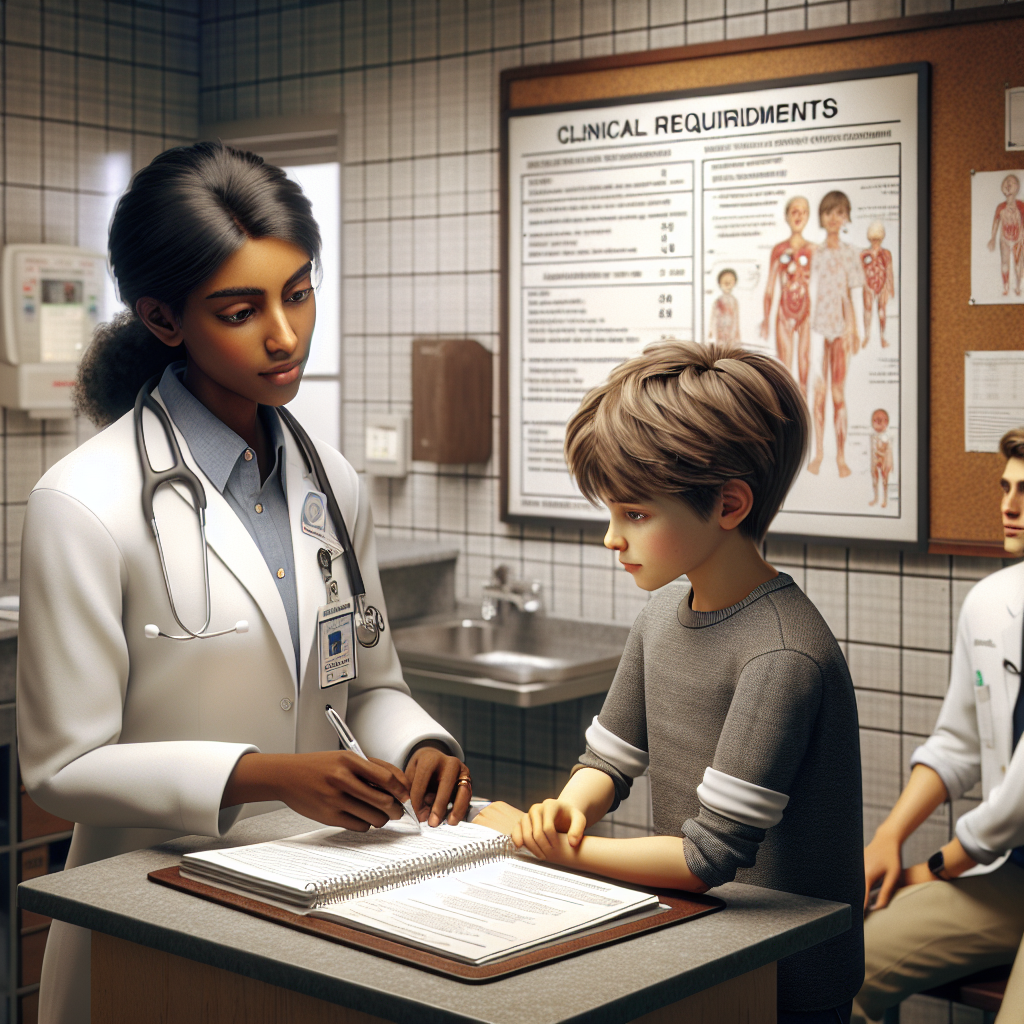
Pediatric NP Clinical Requirements: What Students Must Complete
Accreditation Standards for Pediatric NP Programs
Did you know that nearly 70% of pediatric nurse practitioners (NPs) say they feel unprepared for their roles due to inconsistent accreditation standards? This staggering statistic highlights a significant issue in the pediatric NP landscape.
The accreditation process for pediatric NP programs is not just a bureaucratic hurdle; it’s the backbone of ensuring that future NPs are equipped with the right skills and knowledge. The standards set by organizations like the Commission on Collegiate Nursing Education (CCNE) and the Accreditation Commission for Education in Nursing (ACEN) are vital. They lay out what students need to learn, how many clinical hours they should complete, and what competencies they must demonstrate.
Key Accreditation Bodies
Two primary bodies oversee the accreditation of pediatric NP programs: CCNE and ACEN. Each has its own set of criteria that programs must meet to ensure quality education.
- CCNE focuses on the quality and integrity of nursing education, emphasizing program outcomes.
- ACEN offers a more comprehensive review process that includes both educational processes and student outcomes.
Essential Accreditation Standards
Curriculum requirements: Both accrediting bodies emphasize a robust curriculum that includes advanced health assessment, pathophysiology, pharmacology, and specialized pediatric courses.
Clinical hours: Most programs require at least 500 supervised clinical hours. However, some states have their own regulations that may necessitate more. It’s crucial for students to check both their program’s requirements and state regulations.
Tip: Always verify your program’s accreditation status before enrolling to ensure you meet all pediatric NP clinical requirements.
Competencies: Students must demonstrate competencies in areas such as patient management, family-centered care, and cultural competence. These competencies are assessed through both coursework and clinical experiences.
Accredited vs Non-Accredited Programs
Choosing between accredited and non-accredited programs can feel like choosing between a gourmet meal or fast food—one sets you up for success while the other might leave you unsatisfied or worse, unqualified. Accredited programs often provide better resources, faculty support, and networking opportunities.
In today’s competitive healthcare environment, being part of an accredited program isn’t just a badge of honor; it’s essential for your career as a pediatric NP. Employers often prefer candidates from accredited schools because they trust these institutions to produce competent practitioners who can provide high-quality care.
As you navigate through your educational journey, keep these accreditation standards in mind. They will not only shape your learning experience but also influence your future career opportunities in pediatrics. So take some time to research your options thoroughly—your future self will thank you!
Did you know that nearly 70% of pediatric nurse practitioners (NPs) say they feel unprepared for their roles due to inconsistent accreditation standards? This staggering statistic highlights a significant issue in the pediatric NP landscape.
The accreditation process for pediatric NP programs is not just a bureaucratic hurdle; it’s the backbone of ensuring that future NPs are equipped with the right skills and knowledge. The standards set by organizations like the Commission on Collegiate Nursing Education (CCNE) and the Accreditation Commission for Education in Nursing (ACEN) are vital. They lay out what students need to learn, how many clinical hours they should complete, and what competencies they must demonstrate.
Key Accreditation Bodies
Two primary bodies oversee the accreditation of pediatric NP programs: CCNE and ACEN. Each has its own set of criteria that programs must meet to ensure quality education.
- CCNE focuses on the quality and integrity of nursing education, emphasizing program outcomes.
- ACEN offers a more comprehensive review process that includes both educational processes and student outcomes.
Essential Accreditation Standards
Curriculum requirements: Both accrediting bodies emphasize a robust curriculum that includes advanced health assessment, pathophysiology, pharmacology, and specialized pediatric courses.
Clinical hours: Most programs require at least 500 supervised clinical hours. However, some states have their own regulations that may necessitate more. It’s crucial for students to check both their program’s requirements and state regulations.
Tip: Always verify your program’s accreditation status before enrolling to ensure you meet all pediatric NP clinical requirements.
Competencies: Students must demonstrate competencies in areas such as patient management, family-centered care, and cultural competence. These competencies are assessed through both coursework and clinical experiences.
Accredited vs Non-Accredited Programs
Choosing between accredited and non-accredited programs can feel like choosing between a gourmet meal or fast food—one sets you up for success while the other might leave you unsatisfied or worse, unqualified. Accredited programs often provide better resources, faculty support, and networking opportunities.
In today’s competitive healthcare environment, being part of an accredited program isn’t just a badge of honor; it’s essential for your career as a pediatric NP. Employers often prefer candidates from accredited schools because they trust these institutions to produce competent practitioners who can provide high-quality care.
As you navigate through your educational journey, keep these accreditation standards in mind. They will not only shape your learning experience but also influence your future career opportunities in pediatrics. So take some time to research your options thoroughly—your future self will thank you!
Core Competencies for Pediatric Nurse Practitioners
Think you can just waltz into a pediatric NP role with a stethoscope and a smile? Not quite! The reality is that pediatric nurse practitioners need a solid set of competencies that go beyond the basics of nursing. These skills are crucial for navigating the unique challenges of caring for children and their families.
Clinical Skills
First up, let’s talk about clinical skills. Pediatric NPs must excel in advanced health assessments, which means knowing how to spot the difference between a common cold and something more serious—like when your toddler insists they’re just tired but actually has an ear infection. It’s all about using your clinical judgment to make those critical calls.
Communication Competence
Next, there’s communication competence. You’re not just talking to kids; you’re also chatting with anxious parents who might be convinced their child has every illness known to humankind. Balancing empathy with clear, actionable advice is key here. You’ll need to translate complex medical jargon into terms that make sense to someone who might be panicking over a fever.
Cultural Sensitivity
Cultural sensitivity is another non-negotiable competency. Working with diverse populations means understanding cultural differences in health beliefs and practices. For instance, some families may have traditional remedies or specific dietary restrictions that influence treatment plans. A good pediatric NP respects these differences while advocating for evidence-based care.
Family-Centered Care
Family-centered care isn’t just a buzzword; it’s the heart of pediatric practice. Involving family members in care decisions fosters trust and collaboration. This means being open to input from parents and guardians, acknowledging their insights about their child’s behavior or symptoms, and ensuring they feel like partners in the healthcare process.
Key takeaway: Mastering these core competencies will not only help you meet pediatric NP clinical requirements but also set you up for success in your career.
Now, let’s not forget about the importance of continuous learning. The healthcare landscape is always evolving, especially when it comes to pediatrics. Staying updated on new treatments, technologies, and best practices through professional development opportunities is essential for any aspiring NP.
So what should you do next? Start exploring ways to enhance these competencies during your clinical rotations! Seek out experiences that challenge you in each area—whether it’s through hands-on practice or engaging discussions with mentors and peers.
Think you can just waltz into a pediatric NP role with a stethoscope and a smile? Not quite! The reality is that pediatric nurse practitioners need a solid set of competencies that go beyond the basics of nursing. These skills are crucial for navigating the unique challenges of caring for children and their families.
Clinical Skills
First up, let’s talk about clinical skills. Pediatric NPs must excel in advanced health assessments, which means knowing how to spot the difference between a common cold and something more serious—like when your toddler insists they’re just tired but actually has an ear infection. It’s all about using your clinical judgment to make those critical calls.
Communication Competence
Next, there’s communication competence. You’re not just talking to kids; you’re also chatting with anxious parents who might be convinced their child has every illness known to humankind. Balancing empathy with clear, actionable advice is key here. You’ll need to translate complex medical jargon into terms that make sense to someone who might be panicking over a fever.
Cultural Sensitivity
Cultural sensitivity is another non-negotiable competency. Working with diverse populations means understanding cultural differences in health beliefs and practices. For instance, some families may have traditional remedies or specific dietary restrictions that influence treatment plans. A good pediatric NP respects these differences while advocating for evidence-based care.
Family-Centered Care
Family-centered care isn’t just a buzzword; it’s the heart of pediatric practice. Involving family members in care decisions fosters trust and collaboration. This means being open to input from parents and guardians, acknowledging their insights about their child’s behavior or symptoms, and ensuring they feel like partners in the healthcare process.
Key takeaway: Mastering these core competencies will not only help you meet pediatric NP clinical requirements but also set you up for success in your career.
Now, let’s not forget about the importance of continuous learning. The healthcare landscape is always evolving, especially when it comes to pediatrics. Staying updated on new treatments, technologies, and best practices through professional development opportunities is essential for any aspiring NP.
So what should you do next? Start exploring ways to enhance these competencies during your clinical rotations! Seek out experiences that challenge you in each area—whether it’s through hands-on practice or engaging discussions with mentors and peers.
Clinical Hours and Supervision Regulations
When it comes to pediatric NP clinical requirements, the number of supervised clinical hours can feel like a game of Monopoly—everyone’s got their own rules, and you really don’t want to land on Go to Jail when it comes time to sit for your certification exam.
Most programs mandate a minimum of 500 clinical hours, but here’s where it gets tricky: some states have their own regulations that can bump that number up significantly. For example, California requires a whopping 1,000 hours for pediatric NPs. So, before you start daydreaming about your future practice, make sure you know the specific requirements for your state.
Understanding Supervision Requirements
Supervision is another critical piece of the puzzle. Think of it as having a GPS while driving: without it, you might end up lost or in a ditch! Each state has its own regulations regarding who can supervise your clinical hours. In many cases, you'll need to be under the watchful eye of an experienced pediatric NP or physician. This isn't just a formality; it's about ensuring that you're getting the right guidance and feedback as you navigate complex cases.
Important: Always confirm who qualifies as a supervisor in your state—this varies widely!
The Importance of Diverse Clinical Experiences
Diversity in clinical experiences is crucial. Think about it: just like a chef needs to master various cuisines to create a standout dish, you need exposure to different specialties within pediatrics. Whether it's working in an outpatient clinic or shadowing in an emergency department, each setting offers unique learning opportunities that will enrich your practice.
But how do I find these opportunities? I hear you asking. That’s where tools like Clinical Match Me come into play! They help connect students with preceptors who are ready and willing to guide them through those essential hours without any upfront fees or subscriptions. Talk about stress-free matching!
Navigating State-Specific Regulations
State-specific regulations can feel like trying to decipher hieroglyphics sometimes. Each state has its own Board of Nursing that sets forth rules and guidelines regarding clinical hours and supervision. It’s essential to familiarize yourself with these regulations early on—nobody wants a surprise when they’re ready to graduate!
Pro tip: Keep an eye on updates from your state's Board of Nursing; regulations can change! Staying informed will not only help you meet pediatric NP clinical requirements but also ensure you're ready for any shifts in policy that could impact your training.
When it comes to pediatric NP clinical requirements, the number of supervised clinical hours can feel like a game of Monopoly—everyone’s got their own rules, and you really don’t want to land on Go to Jail when it comes time to sit for your certification exam.
Most programs mandate a minimum of 500 clinical hours, but here’s where it gets tricky: some states have their own regulations that can bump that number up significantly. For example, California requires a whopping 1,000 hours for pediatric NPs. So, before you start daydreaming about your future practice, make sure you know the specific requirements for your state.
Understanding Supervision Requirements
Supervision is another critical piece of the puzzle. Think of it as having a GPS while driving: without it, you might end up lost or in a ditch! Each state has its own regulations regarding who can supervise your clinical hours. In many cases, you'll need to be under the watchful eye of an experienced pediatric NP or physician. This isn't just a formality; it's about ensuring that you're getting the right guidance and feedback as you navigate complex cases.
Important: Always confirm who qualifies as a supervisor in your state—this varies widely!
The Importance of Diverse Clinical Experiences
Diversity in clinical experiences is crucial. Think about it: just like a chef needs to master various cuisines to create a standout dish, you need exposure to different specialties within pediatrics. Whether it's working in an outpatient clinic or shadowing in an emergency department, each setting offers unique learning opportunities that will enrich your practice.
But how do I find these opportunities? I hear you asking. That’s where tools like Clinical Match Me come into play! They help connect students with preceptors who are ready and willing to guide them through those essential hours without any upfront fees or subscriptions. Talk about stress-free matching!
Navigating State-Specific Regulations
State-specific regulations can feel like trying to decipher hieroglyphics sometimes. Each state has its own Board of Nursing that sets forth rules and guidelines regarding clinical hours and supervision. It’s essential to familiarize yourself with these regulations early on—nobody wants a surprise when they’re ready to graduate!
Pro tip: Keep an eye on updates from your state's Board of Nursing; regulations can change! Staying informed will not only help you meet pediatric NP clinical requirements but also ensure you're ready for any shifts in policy that could impact your training.
Specialization and Elective Clinical Experiences
Ever heard that old saying, jack of all trades, master of none? Well, when it comes to pediatric NPs, you definitely want to avoid that fate. Specialization and elective clinical experiences are your secret weapons in becoming a sought-after practitioner. Think of them as the cherry on top of your clinical sundae!
In pediatric nursing, there’s no shortage of specialties to dive into. From neonatology to pediatric cardiology, each area offers unique challenges and rewards. The beauty is that as a student, you get to explore these diverse fields through elective experiences that can shape your future practice.
Why Specialization Matters
Specializing in a particular area not only enhances your skill set but also significantly boosts your marketability. Employers love candidates who bring niche expertise to the table. For instance, if you focus on pediatric mental health, you’ll be equipped to handle the growing demand for mental health services among children—a sector that's often overlooked.
Plus: specializing can lead to higher earning potential! According to the American Association of Nurse Practitioners (AANP), specialized NPs can earn up to 20% more than their generalist counterparts. That’s not just pocket change; it’s a solid reason to consider where you want to focus your efforts.
Choosing Elective Clinical Experiences
Elective clinical experiences are like a buffet for your career—pick what excites you! Want hands-on experience in pediatric oncology? There’s an elective for that! Interested in community health? You can find opportunities there too. The key is aligning these experiences with your career goals.
- Consider shadowing specialists during your rotations.
- Seek out internships or volunteer opportunities in specific settings.
- Connect with mentors who can guide you based on their specialization.
Your elective choices should reflect both passion and practicality.
Real-World Scenarios
Imagine this: You’re an NP student who spent two months in a busy pediatric ER during one rotation and then another two months working alongside a pediatric cardiologist during another. When it comes time for interviews, guess which experience will make you stand out? Yep, those specialized rotations give you stories that resonate with hiring managers!
Another scenario: You might be drawn towards community health initiatives focused on childhood obesity prevention. By choosing electives in public health clinics, you're not only gaining valuable experience but also positioning yourself as an expert in an increasingly important area of children's health.
The bottom line: Your chosen electives should complement your desired specialization while providing comprehensive exposure across various settings.
Ever heard that old saying, jack of all trades, master of none? Well, when it comes to pediatric NPs, you definitely want to avoid that fate. Specialization and elective clinical experiences are your secret weapons in becoming a sought-after practitioner. Think of them as the cherry on top of your clinical sundae!
In pediatric nursing, there’s no shortage of specialties to dive into. From neonatology to pediatric cardiology, each area offers unique challenges and rewards. The beauty is that as a student, you get to explore these diverse fields through elective experiences that can shape your future practice.
Why Specialization Matters
Specializing in a particular area not only enhances your skill set but also significantly boosts your marketability. Employers love candidates who bring niche expertise to the table. For instance, if you focus on pediatric mental health, you’ll be equipped to handle the growing demand for mental health services among children—a sector that's often overlooked.
Plus: specializing can lead to higher earning potential! According to the American Association of Nurse Practitioners (AANP), specialized NPs can earn up to 20% more than their generalist counterparts. That’s not just pocket change; it’s a solid reason to consider where you want to focus your efforts.
Choosing Elective Clinical Experiences
Elective clinical experiences are like a buffet for your career—pick what excites you! Want hands-on experience in pediatric oncology? There’s an elective for that! Interested in community health? You can find opportunities there too. The key is aligning these experiences with your career goals.
- Consider shadowing specialists during your rotations.
- Seek out internships or volunteer opportunities in specific settings.
- Connect with mentors who can guide you based on their specialization.
Your elective choices should reflect both passion and practicality.
Real-World Scenarios
Imagine this: You’re an NP student who spent two months in a busy pediatric ER during one rotation and then another two months working alongside a pediatric cardiologist during another. When it comes time for interviews, guess which experience will make you stand out? Yep, those specialized rotations give you stories that resonate with hiring managers!
Another scenario: You might be drawn towards community health initiatives focused on childhood obesity prevention. By choosing electives in public health clinics, you're not only gaining valuable experience but also positioning yourself as an expert in an increasingly important area of children's health.
The bottom line: Your chosen electives should complement your desired specialization while providing comprehensive exposure across various settings.
Evaluation and Assessment Frameworks
When it comes to pediatric NP clinical requirements, evaluation and assessment frameworks are the unsung heroes that keep everything on track. Think of them as the GPS for your educational journey—without them, you might find yourself lost in a maze of competencies and clinical hours.
A staggering 80% of NP programs utilize some form of competency-based assessment framework, which means they’re not just checking off boxes; they’re ensuring you’re genuinely ready to step into the role of a pediatric NP. This is crucial because the stakes are high when it comes to caring for children.
Key Components of Evaluation Frameworks
At the heart of these frameworks are several key components that guide how your progress is assessed throughout your clinical training. Let’s break them down:
- Competency Mapping: Outlining specific skills and knowledge areas each student must master.
- Formative Assessments: Regular check-ins during rotations that provide feedback without the stress of final evaluations.
- Summative Assessments: Comprehensive evaluations at the end of rotations to determine if you meet all pediatric NP clinical requirements.
Important: Understanding these components can significantly enhance your learning experience and readiness for practice.
The Role of Preceptors in Assessment
Preceptors are like your personal GPS guides—they help steer you in the right direction while ensuring you don’t veer off course. Their role in the evaluation process cannot be overstated. They provide real-time feedback based on their observations, which is invaluable as you navigate complex clinical scenarios.
Pro Tip: Establish open lines of communication with your preceptor early on. Discuss how they prefer to assess competencies so you can align your learning style with their expectations.
The Importance of Self-Assessment
Self-assessment is where things get interesting—this isn’t just about what your preceptor thinks; it’s also about how you perceive your own growth. Regularly reflecting on your experiences helps identify strengths and areas needing improvement.
When it comes to pediatric NP clinical requirements, evaluation and assessment frameworks are the unsung heroes that keep everything on track. Think of them as the GPS for your educational journey—without them, you might find yourself lost in a maze of competencies and clinical hours.
A staggering 80% of NP programs utilize some form of competency-based assessment framework, which means they’re not just checking off boxes; they’re ensuring you’re genuinely ready to step into the role of a pediatric NP. This is crucial because the stakes are high when it comes to caring for children.
Key Components of Evaluation Frameworks
At the heart of these frameworks are several key components that guide how your progress is assessed throughout your clinical training. Let’s break them down:
- Competency Mapping: Outlining specific skills and knowledge areas each student must master.
- Formative Assessments: Regular check-ins during rotations that provide feedback without the stress of final evaluations.
- Summative Assessments: Comprehensive evaluations at the end of rotations to determine if you meet all pediatric NP clinical requirements.
Important: Understanding these components can significantly enhance your learning experience and readiness for practice.
The Role of Preceptors in Assessment
Preceptors are like your personal GPS guides—they help steer you in the right direction while ensuring you don’t veer off course. Their role in the evaluation process cannot be overstated. They provide real-time feedback based on their observations, which is invaluable as you navigate complex clinical scenarios.
Pro Tip: Establish open lines of communication with your preceptor early on. Discuss how they prefer to assess competencies so you can align your learning style with their expectations.
The Importance of Self-Assessment
Self-assessment is where things get interesting—this isn’t just about what your preceptor thinks; it’s also about how you perceive your own growth. Regularly reflecting on your experiences helps identify strengths and areas needing improvement.
Regulatory Compliance and Documentation Requirements
Picture this: You're a pediatric NP student, ready to take on the world, but the moment you step into your clinical rotation, you're bombarded with forms, signatures, and a mountain of documentation. It’s like being handed a novel when all you wanted was a short story—overwhelming and confusing!
Navigating regulatory compliance and documentation requirements is not just about red tape; it’s essential for ensuring patient safety and quality care. Pediatric NPs must adhere to strict guidelines set by various regulatory bodies, which can vary significantly from state to state.
Understanding Regulatory Compliance
Regulatory compliance refers to the legal framework that governs healthcare practices. For pediatric NPs, this includes following state-specific laws regarding scope of practice, documentation standards, and reporting requirements. Failing to comply can lead to serious repercussions—not just for your career but also for patient care.
Important: Each state has its own Board of Nursing that outlines specific regulations for pediatric NPs. Ignoring these could mean missing out on crucial opportunities or even facing disciplinary actions.
Documentation Requirements
Documentation is more than just keeping records; it’s about creating a clear narrative of patient care that can be referenced by other healthcare providers. This is especially important in pediatrics where communication between caregivers is vital. Accurate documentation helps in tracking patient progress and ensuring continuity of care.
Here’s the kicker: Inadequate or improper documentation can lead to legal issues or claims of malpractice down the line. Imagine being in court trying to defend your treatment decisions without solid records—yikes!
- Clinical Notes: Document all assessments, interventions, and patient responses during each visit.
- Informed Consent: Ensure that consent forms are completed for treatments and procedures.
- Referral Documentation: Keep records of any referrals made to specialists or other services.
- Follow-Up Notes: Document any follow-up communications with patients or their families.
The Role of Preceptors
Your preceptor plays a pivotal role in guiding you through these regulatory waters. They’re not just there to supervise; they’re your navigational compass! Regularly check in with them about documentation practices specific to their setting—they’ll have invaluable insights that will save you time and headaches.
The bottom line: Understanding the ins-and-outs of regulatory compliance and documentation isn't optional—it's part of being a competent pediatric NP. As you prepare for your rotations, take time to familiarize yourself with these requirements so you can hit the ground running!
Picture this: You're a pediatric NP student, ready to take on the world, but the moment you step into your clinical rotation, you're bombarded with forms, signatures, and a mountain of documentation. It’s like being handed a novel when all you wanted was a short story—overwhelming and confusing!
Navigating regulatory compliance and documentation requirements is not just about red tape; it’s essential for ensuring patient safety and quality care. Pediatric NPs must adhere to strict guidelines set by various regulatory bodies, which can vary significantly from state to state.
Understanding Regulatory Compliance
Regulatory compliance refers to the legal framework that governs healthcare practices. For pediatric NPs, this includes following state-specific laws regarding scope of practice, documentation standards, and reporting requirements. Failing to comply can lead to serious repercussions—not just for your career but also for patient care.
Important: Each state has its own Board of Nursing that outlines specific regulations for pediatric NPs. Ignoring these could mean missing out on crucial opportunities or even facing disciplinary actions.
Documentation Requirements
Documentation is more than just keeping records; it’s about creating a clear narrative of patient care that can be referenced by other healthcare providers. This is especially important in pediatrics where communication between caregivers is vital. Accurate documentation helps in tracking patient progress and ensuring continuity of care.
Here’s the kicker: Inadequate or improper documentation can lead to legal issues or claims of malpractice down the line. Imagine being in court trying to defend your treatment decisions without solid records—yikes!
- Clinical Notes: Document all assessments, interventions, and patient responses during each visit.
- Informed Consent: Ensure that consent forms are completed for treatments and procedures.
- Referral Documentation: Keep records of any referrals made to specialists or other services.
- Follow-Up Notes: Document any follow-up communications with patients or their families.
The Role of Preceptors
Your preceptor plays a pivotal role in guiding you through these regulatory waters. They’re not just there to supervise; they’re your navigational compass! Regularly check in with them about documentation practices specific to their setting—they’ll have invaluable insights that will save you time and headaches.
The bottom line: Understanding the ins-and-outs of regulatory compliance and documentation isn't optional—it's part of being a competent pediatric NP. As you prepare for your rotations, take time to familiarize yourself with these requirements so you can hit the ground running!
Navigating Challenges in Clinical Placements
Imagine gearing up for your clinical placement, only to find out that the preceptor you were counting on has suddenly dropped out. It’s like planning a road trip and discovering your GPS is broken—frustrating and potentially disastrous!
Clinical placements are the cornerstone of meeting pediatric NP clinical requirements, but they can also be a minefield of challenges. From securing a preceptor to navigating state regulations, the hurdles can feel overwhelming. But don’t worry; with a little preparation and some strategic thinking, you can turn these challenges into opportunities.
Common Challenges Faced by Students
- Last-minute cancellations from preceptors.
- Difficulty finding placements that meet specific state requirements.
- Balancing clinical hours with coursework and personal life.
These issues are more common than you might think. A survey revealed that over 40% of NP students reported struggles in securing reliable preceptors—yikes! So how do you navigate this minefield?
Strategies for Success
Start Early: Begin your search for preceptors as soon as possible. This isn’t just about finding someone to sign off on your hours; it’s about building professional relationships that can last throughout your career.
Utilize Resources: Leverage platforms like Clinical Match Me to streamline your search for preceptors. They match you with qualified professionals who are ready to guide you through those essential hours without any upfront fees—talk about a win-win!
Stay Flexible: Sometimes, the ideal placement might not be available right away. Being open to different specialties or locations can help you meet your clinical hour requirements while gaining diverse experiences that enrich your practice.
Key takeaway: Proactive planning and resourcefulness are your best friends in navigating clinical placements.
The Importance of Networking
Networking isn’t just for job hunting—it’s crucial during your clinical placements too! Connect with fellow students, faculty, and practicing NPs to learn about potential opportunities. You never know who might have the inside scoop on an available preceptor or placement.
Ultimately, while navigating challenges in clinical placements may seem daunting at first glance, it’s all part of the journey toward becoming a competent pediatric NP. Embrace the process, learn from each experience, and don’t hesitate to reach out for help when needed.
Imagine gearing up for your clinical placement, only to find out that the preceptor you were counting on has suddenly dropped out. It’s like planning a road trip and discovering your GPS is broken—frustrating and potentially disastrous!
Clinical placements are the cornerstone of meeting pediatric NP clinical requirements, but they can also be a minefield of challenges. From securing a preceptor to navigating state regulations, the hurdles can feel overwhelming. But don’t worry; with a little preparation and some strategic thinking, you can turn these challenges into opportunities.
Common Challenges Faced by Students
- Last-minute cancellations from preceptors.
- Difficulty finding placements that meet specific state requirements.
- Balancing clinical hours with coursework and personal life.
These issues are more common than you might think. A survey revealed that over 40% of NP students reported struggles in securing reliable preceptors—yikes! So how do you navigate this minefield?
Strategies for Success
Start Early: Begin your search for preceptors as soon as possible. This isn’t just about finding someone to sign off on your hours; it’s about building professional relationships that can last throughout your career.
Utilize Resources: Leverage platforms like Clinical Match Me to streamline your search for preceptors. They match you with qualified professionals who are ready to guide you through those essential hours without any upfront fees—talk about a win-win!
Stay Flexible: Sometimes, the ideal placement might not be available right away. Being open to different specialties or locations can help you meet your clinical hour requirements while gaining diverse experiences that enrich your practice.
Key takeaway: Proactive planning and resourcefulness are your best friends in navigating clinical placements.
The Importance of Networking
Networking isn’t just for job hunting—it’s crucial during your clinical placements too! Connect with fellow students, faculty, and practicing NPs to learn about potential opportunities. You never know who might have the inside scoop on an available preceptor or placement.
Ultimately, while navigating challenges in clinical placements may seem daunting at first glance, it’s all part of the journey toward becoming a competent pediatric NP. Embrace the process, learn from each experience, and don’t hesitate to reach out for help when needed.
Future Trends in Pediatric NP Education and Practice
The landscape of pediatric nurse practitioner (NP) education is on the brink of a seismic shift. As technology advances, so too do the expectations for NPs to adapt and thrive in an increasingly complex healthcare environment. Did you know that telehealth visits surged by over 400% during the pandemic? This trend isn’t just a fleeting moment; it’s reshaping how pediatric NPs will interact with patients moving forward.
With these changes come new pediatric NP clinical requirements that reflect the evolving role NPs play in healthcare. For instance, programs are now integrating telehealth training into their curricula, ensuring that future practitioners can deliver care remotely while maintaining quality and compassion.
Emphasis on Interprofessional Collaboration
Gone are the days when NPs operated in silos. The future is all about teamwork! Interprofessional collaboration is becoming a cornerstone of NP education, preparing students to work alongside physicians, social workers, and other healthcare professionals. This holistic approach not only enhances patient care but also enriches the learning experience for students.
Imagine a pediatric NP who can seamlessly coordinate with a child’s school counselor and primary care physician to create a comprehensive care plan. That’s the kind of integrated approach we’re heading towards, which will ultimately lead to better health outcomes for children.
Incorporating Technology and Data Analytics
Data-driven decision making is no longer just a buzzword; it’s becoming essential in pediatric NP practice. Future programs are expected to place greater emphasis on data analytics training, allowing NPs to leverage patient data for improved outcomes. Whether it’s tracking vaccination rates or identifying trends in childhood obesity, being able to interpret data will empower NPs to advocate more effectively for their patients.
Consider this: A pediatric NP equipped with data analytics skills could identify patterns in emergency room visits for asthma attacks among children in their community, leading them to initiate targeted prevention programs—talk about being proactive!
Key takeaway: Embracing technology and data analytics will be crucial for future pediatric NPs as they strive to provide high-quality care.
Focus on Mental Health
Mental health awareness is gaining traction like never before, especially among children and adolescents. As the demand for mental health services increases, pediatric NP programs are responding by incorporating mental health education into their curricula. This prepares students not only to recognize mental health issues but also to provide appropriate interventions.
Picture this: A parent brings their child into the clinic due to behavioral issues at school. With enhanced training in mental health care, a pediatric NP can conduct an assessment that considers both physical and emotional health—ensuring comprehensive support for the child.
As you look ahead at your journey toward becoming a pediatric NP, keep these future trends in mind. They won’t just shape your education; they’ll influence how you practice medicine long after graduation. So stay curious, embrace technology, and always advocate for your patients’ needs!
The landscape of pediatric nurse practitioner (NP) education is on the brink of a seismic shift. As technology advances, so too do the expectations for NPs to adapt and thrive in an increasingly complex healthcare environment. Did you know that telehealth visits surged by over 400% during the pandemic? This trend isn’t just a fleeting moment; it’s reshaping how pediatric NPs will interact with patients moving forward.
With these changes come new pediatric NP clinical requirements that reflect the evolving role NPs play in healthcare. For instance, programs are now integrating telehealth training into their curricula, ensuring that future practitioners can deliver care remotely while maintaining quality and compassion.
Emphasis on Interprofessional Collaboration
Gone are the days when NPs operated in silos. The future is all about teamwork! Interprofessional collaboration is becoming a cornerstone of NP education, preparing students to work alongside physicians, social workers, and other healthcare professionals. This holistic approach not only enhances patient care but also enriches the learning experience for students.
Imagine a pediatric NP who can seamlessly coordinate with a child’s school counselor and primary care physician to create a comprehensive care plan. That’s the kind of integrated approach we’re heading towards, which will ultimately lead to better health outcomes for children.
Incorporating Technology and Data Analytics
Data-driven decision making is no longer just a buzzword; it’s becoming essential in pediatric NP practice. Future programs are expected to place greater emphasis on data analytics training, allowing NPs to leverage patient data for improved outcomes. Whether it’s tracking vaccination rates or identifying trends in childhood obesity, being able to interpret data will empower NPs to advocate more effectively for their patients.
Consider this: A pediatric NP equipped with data analytics skills could identify patterns in emergency room visits for asthma attacks among children in their community, leading them to initiate targeted prevention programs—talk about being proactive!
Key takeaway: Embracing technology and data analytics will be crucial for future pediatric NPs as they strive to provide high-quality care.
Focus on Mental Health
Mental health awareness is gaining traction like never before, especially among children and adolescents. As the demand for mental health services increases, pediatric NP programs are responding by incorporating mental health education into their curricula. This prepares students not only to recognize mental health issues but also to provide appropriate interventions.
Picture this: A parent brings their child into the clinic due to behavioral issues at school. With enhanced training in mental health care, a pediatric NP can conduct an assessment that considers both physical and emotional health—ensuring comprehensive support for the child.
As you look ahead at your journey toward becoming a pediatric NP, keep these future trends in mind. They won’t just shape your education; they’ll influence how you practice medicine long after graduation. So stay curious, embrace technology, and always advocate for your patients’ needs!