How NP Students Can Successfully Find Their Ideal Preceptor
Identifying Personal Learning Objectives
Think of your clinical rotation as a buffet, but instead of food, you’re faced with a smorgasbord of learning opportunities. Without a clear idea of what you want to fill your plate with, you might end up with a hodgepodge of experiences that don’t quite satisfy your hunger for knowledge.
A staggering 70% of NP students report feeling unprepared for their clinical rotations. Why? Because they haven’t taken the time to identify their personal learning objectives. Without these objectives, how can you find the ideal nurse practitioner preceptor who aligns with your goals?
Understanding Your Goals
Before you start reaching out to potential preceptors, take a moment to reflect on what you hope to achieve during your rotation. Are you looking to hone specific skills, like suturing or patient assessment? Or maybe you're eager to dive into a particular specialty like pediatrics or geriatrics? Identifying these goals early can streamline your search and ensure that the preceptor you choose can help nurture these objectives.
Crafting SMART Objectives
SMART might sound like something out of an office supply catalog, but it’s actually an acronym for Specific, Measurable, Achievable, Relevant, and Time-bound. By crafting your learning objectives using this framework, you can create clear targets that guide both your learning and your search for the right preceptor.
- Specific: Instead of saying I want to learn about diabetes, try I want to understand how to manage Type 2 diabetes in adult patients.
- Measurable: Define how you'll measure success. For example, I will be able to conduct comprehensive diabetes assessments by the end of my rotation.
- Achievable: Make sure your goals are realistic given the time and resources available.
- Relevant: Ensure that each objective aligns with your long-term career aspirations.
- Time-bound: Set deadlines for achieving each objective.
SMART objectives will not only clarify what you want but also make it easier for potential preceptors to understand how they can help you succeed.
Communicating Your Objectives
You’ve identified what you want; now it’s time to communicate it! When reaching out to potential preceptors, be upfront about your learning objectives. This not only shows initiative but also helps ensure that both parties are on the same page from day one.
For instance, if you're interested in women's health and have set an objective related to prenatal care, mention this during initial conversations. A good preceptor will appreciate your clarity and may even tailor their teaching approach accordingly.
Think of your clinical rotation as a buffet, but instead of food, you’re faced with a smorgasbord of learning opportunities. Without a clear idea of what you want to fill your plate with, you might end up with a hodgepodge of experiences that don’t quite satisfy your hunger for knowledge.
A staggering 70% of NP students report feeling unprepared for their clinical rotations. Why? Because they haven’t taken the time to identify their personal learning objectives. Without these objectives, how can you find the ideal nurse practitioner preceptor who aligns with your goals?
Understanding Your Goals
Before you start reaching out to potential preceptors, take a moment to reflect on what you hope to achieve during your rotation. Are you looking to hone specific skills, like suturing or patient assessment? Or maybe you're eager to dive into a particular specialty like pediatrics or geriatrics? Identifying these goals early can streamline your search and ensure that the preceptor you choose can help nurture these objectives.
Crafting SMART Objectives
SMART might sound like something out of an office supply catalog, but it’s actually an acronym for Specific, Measurable, Achievable, Relevant, and Time-bound. By crafting your learning objectives using this framework, you can create clear targets that guide both your learning and your search for the right preceptor.
- Specific: Instead of saying I want to learn about diabetes, try I want to understand how to manage Type 2 diabetes in adult patients.
- Measurable: Define how you'll measure success. For example, I will be able to conduct comprehensive diabetes assessments by the end of my rotation.
- Achievable: Make sure your goals are realistic given the time and resources available.
- Relevant: Ensure that each objective aligns with your long-term career aspirations.
- Time-bound: Set deadlines for achieving each objective.
SMART objectives will not only clarify what you want but also make it easier for potential preceptors to understand how they can help you succeed.
Communicating Your Objectives
You’ve identified what you want; now it’s time to communicate it! When reaching out to potential preceptors, be upfront about your learning objectives. This not only shows initiative but also helps ensure that both parties are on the same page from day one.
For instance, if you're interested in women's health and have set an objective related to prenatal care, mention this during initial conversations. A good preceptor will appreciate your clarity and may even tailor their teaching approach accordingly.
Researching Potential Preceptors Effectively
Finding the right nurse practitioner preceptor can feel like searching for a needle in a haystack. But what if I told you that a well-structured approach could turn that haystack into a neatly organized toolbox? It’s all about research, and trust me, it can make all the difference.
According to a recent survey, 65% of NP students who proactively researched their preceptors reported higher satisfaction with their clinical rotations.
Start with Your Network
Your first stop in this treasure hunt should be your existing network. Reach out to classmates, professors, and even alumni from your program. They can provide valuable insights and recommendations based on their own experiences. You might discover hidden gems—preceptors who are not only knowledgeable but also passionate about mentoring.
Utilize Online Platforms
Online platforms can be your best friend when trying to find nurse practitioner preceptors. Websites like Clinical Match Me offer tailored matchmaking services that connect you with potential preceptors based on your specific interests and learning objectives. It’s like online dating but for clinical placements—minus the awkward first date vibes!
- Explore professional networking sites like LinkedIn to find practitioners in your desired specialty.
- Join NP student forums or Facebook groups where students share their experiences and recommendations.
- Check out local health systems' websites for preceptor opportunities—they often list available mentors.
Research Their Background
Once you've identified potential preceptors, dive into some detective work. Look up their professional background—what specialties do they focus on? What’s their teaching philosophy? A preceptor who aligns with your learning style is more likely to enhance your clinical experience.
Reach Out Thoughtfully
When you're ready to reach out, personalize your message. Mention specific aspects of their work or background that resonate with you. This shows genuine interest and sets the stage for a productive conversation about how they can help you achieve your objectives.
To sum it up, researching potential nurse practitioner preceptors doesn’t have to be overwhelming. By leveraging your network, utilizing online platforms, doing thorough background checks, and reaching out thoughtfully, you’ll not only find a suitable mentor but also set yourself up for success in your clinical rotations.
Finding the right nurse practitioner preceptor can feel like searching for a needle in a haystack. But what if I told you that a well-structured approach could turn that haystack into a neatly organized toolbox? It’s all about research, and trust me, it can make all the difference.
According to a recent survey, 65% of NP students who proactively researched their preceptors reported higher satisfaction with their clinical rotations.
Start with Your Network
Your first stop in this treasure hunt should be your existing network. Reach out to classmates, professors, and even alumni from your program. They can provide valuable insights and recommendations based on their own experiences. You might discover hidden gems—preceptors who are not only knowledgeable but also passionate about mentoring.
Utilize Online Platforms
Online platforms can be your best friend when trying to find nurse practitioner preceptors. Websites like Clinical Match Me offer tailored matchmaking services that connect you with potential preceptors based on your specific interests and learning objectives. It’s like online dating but for clinical placements—minus the awkward first date vibes!
- Explore professional networking sites like LinkedIn to find practitioners in your desired specialty.
- Join NP student forums or Facebook groups where students share their experiences and recommendations.
- Check out local health systems' websites for preceptor opportunities—they often list available mentors.
Research Their Background
Once you've identified potential preceptors, dive into some detective work. Look up their professional background—what specialties do they focus on? What’s their teaching philosophy? A preceptor who aligns with your learning style is more likely to enhance your clinical experience.
Reach Out Thoughtfully
When you're ready to reach out, personalize your message. Mention specific aspects of their work or background that resonate with you. This shows genuine interest and sets the stage for a productive conversation about how they can help you achieve your objectives.
To sum it up, researching potential nurse practitioner preceptors doesn’t have to be overwhelming. By leveraging your network, utilizing online platforms, doing thorough background checks, and reaching out thoughtfully, you’ll not only find a suitable mentor but also set yourself up for success in your clinical rotations.
Crafting a Compelling Outreach Strategy
Imagine crafting an email that not only gets opened but also elicits a response. Sounds like magic, right? But it’s all about strategy. A whopping 80% of preceptors report they appreciate personalized outreach from students. If you want to find a nurse practitioner preceptor who is excited to work with you, your outreach needs to shine brighter than a neon sign at midnight.
Personalize Your Approach
Generic emails are like one-size-fits-all shoes—uncomfortable and rarely the right fit. Start by addressing your potential preceptor by name and referencing their specific work or achievements. For instance, if they specialize in geriatric care and you’re interested in that field, mention how their expertise aligns with your learning objectives. This not only shows that you've done your homework but also establishes a connection right off the bat.
Be Clear About Your Goals
When reaching out, clarity is key. List your learning objectives succinctly, so the preceptor knows exactly what you hope to gain from the experience. For example, instead of saying, I want to learn about pediatrics, say something like, I’m eager to understand developmental milestones in children and would love guidance on conducting pediatric assessments. This specificity not only highlights your initiative but also helps them gauge how they can best support you.
Follow Up Like a Pro
No news is good news does not apply here! If you haven’t heard back within a week or so, it’s totally acceptable to send a polite follow-up email. Express your continued interest and ask if they had time to consider your previous message. Just remember: persistence is key, but don’t be that person who follows up every day—nobody likes that person.
A well-crafted outreach strategy can turn potential preceptors into enthusiastic mentors.
Be Professional Yet Approachable
Professionalism doesn’t have to mean stuffy or formal. Use a friendly tone that reflects who you are while maintaining respect for their expertise. Consider adding something light-hearted or relatable—perhaps mentioning how excited you are about the upcoming rotation or how much you've enjoyed learning about their practice area during school.
Finding the right nurse practitioner preceptor isn’t just about sending out requests; it’s about forging connections through thoughtful communication. Remember, every interaction is an opportunity for growth!
Imagine crafting an email that not only gets opened but also elicits a response. Sounds like magic, right? But it’s all about strategy. A whopping 80% of preceptors report they appreciate personalized outreach from students. If you want to find a nurse practitioner preceptor who is excited to work with you, your outreach needs to shine brighter than a neon sign at midnight.
Personalize Your Approach
Generic emails are like one-size-fits-all shoes—uncomfortable and rarely the right fit. Start by addressing your potential preceptor by name and referencing their specific work or achievements. For instance, if they specialize in geriatric care and you’re interested in that field, mention how their expertise aligns with your learning objectives. This not only shows that you've done your homework but also establishes a connection right off the bat.
Be Clear About Your Goals
When reaching out, clarity is key. List your learning objectives succinctly, so the preceptor knows exactly what you hope to gain from the experience. For example, instead of saying, I want to learn about pediatrics, say something like, I’m eager to understand developmental milestones in children and would love guidance on conducting pediatric assessments. This specificity not only highlights your initiative but also helps them gauge how they can best support you.
Follow Up Like a Pro
No news is good news does not apply here! If you haven’t heard back within a week or so, it’s totally acceptable to send a polite follow-up email. Express your continued interest and ask if they had time to consider your previous message. Just remember: persistence is key, but don’t be that person who follows up every day—nobody likes that person.
A well-crafted outreach strategy can turn potential preceptors into enthusiastic mentors.
Be Professional Yet Approachable
Professionalism doesn’t have to mean stuffy or formal. Use a friendly tone that reflects who you are while maintaining respect for their expertise. Consider adding something light-hearted or relatable—perhaps mentioning how excited you are about the upcoming rotation or how much you've enjoyed learning about their practice area during school.
Finding the right nurse practitioner preceptor isn’t just about sending out requests; it’s about forging connections through thoughtful communication. Remember, every interaction is an opportunity for growth!
Navigating Initial Conversations with Preceptors
Picture this: you’ve finally identified a potential preceptor who seems like a perfect match for your learning goals. Your heart races as you prepare for that first conversation. But wait—how do you navigate this initial chat without sounding like a deer caught in headlights?
Research indicates that nearly 60% of NP students feel anxious about their first conversations with preceptors. It’s understandable; the pressure to make a good impression while clearly communicating your objectives can be daunting. But fear not! With the right strategies, you can turn that anxiety into confidence.
Do Your Homework
Before you even think about reaching out, do some serious sleuthing on your potential preceptor. Check their professional background, specialties, and teaching philosophy. This knowledge not only helps you tailor your conversation but also shows respect for their expertise.
Start with Gratitude
Thank you for taking the time to speak with me today! Starting off on a positive note sets the tone for an engaging conversation. A little appreciation goes a long way in establishing rapport.
Clearly State Your Objectives
I’m eager to focus on diabetes management during my rotation and would love to learn how your approach aligns with this goal. Being direct about what you want immediately clarifies the purpose of the conversation and allows your preceptor to consider how they can assist you.
The clearer your objectives are, the more likely you'll find a preceptor who is excited about helping you reach them.
'Ask Open-Ended Questions
What has been your most rewarding experience as a preceptor? Open-ended questions invite dialogue and show that you're genuinely interested in their insights. This also gives them space to share their unique experiences and teaching style.
'Be Prepared to Listen
Picture this: you’ve finally identified a potential preceptor who seems like a perfect match for your learning goals. Your heart races as you prepare for that first conversation. But wait—how do you navigate this initial chat without sounding like a deer caught in headlights?
Research indicates that nearly 60% of NP students feel anxious about their first conversations with preceptors. It’s understandable; the pressure to make a good impression while clearly communicating your objectives can be daunting. But fear not! With the right strategies, you can turn that anxiety into confidence.
Do Your Homework
Before you even think about reaching out, do some serious sleuthing on your potential preceptor. Check their professional background, specialties, and teaching philosophy. This knowledge not only helps you tailor your conversation but also shows respect for their expertise.
Start with Gratitude
Thank you for taking the time to speak with me today! Starting off on a positive note sets the tone for an engaging conversation. A little appreciation goes a long way in establishing rapport.
Clearly State Your Objectives
I’m eager to focus on diabetes management during my rotation and would love to learn how your approach aligns with this goal. Being direct about what you want immediately clarifies the purpose of the conversation and allows your preceptor to consider how they can assist you.
The clearer your objectives are, the more likely you'll find a preceptor who is excited about helping you reach them.
'Ask Open-Ended Questions
What has been your most rewarding experience as a preceptor? Open-ended questions invite dialogue and show that you're genuinely interested in their insights. This also gives them space to share their unique experiences and teaching style.
'Be Prepared to Listen
Evaluating Fit During the Preceptorship Selection Process
Choosing a nurse practitioner preceptor can feel like dating—everyone seems great on paper, but how do you know if there's real chemistry? A staggering 50% of NP students report dissatisfaction with their preceptor experience, often because they didn’t take the time to evaluate fit before committing.
Finding the right fit can make or break your clinical rotation experience.
Imagine you're a student eager to learn about chronic disease management. You connect with a preceptor who specializes in dermatology. While they might be brilliant in their field, you could end up feeling like a fish out of water. This mismatch can lead to frustration and missed learning opportunities.
Assessing Compatibility
Before you finalize your choice, take a moment to assess compatibility. Start by considering your learning style. Are you someone who thrives on hands-on experience, or do you prefer theoretical discussions? Understanding this will help you identify a preceptor whose teaching methods align with your preferences.
- Reflect on past learning experiences: What worked well for you?
- Identify your preferred teaching style: Do you need guidance or independence?
- Consider personality traits: Do you need someone nurturing or more hands-off?
The Interview – Your Chance to Shine
The interview isn’t just for job seekers; it’s your opportunity to evaluate if the preceptor is right for you. Approach this conversation as an exchange rather than an interrogation. Prepare thoughtful questions that dig into their mentoring style and expectations.
- What is your approach to mentoring students during clinical rotations?
- How do you tailor experiences based on individual student goals?
- 'Can you share an example of how you've helped previous students succeed?'
Remember: The conversation is just as much about them evaluating you as it is about you evaluating them.
'Be honest about what you're looking for in a mentor. If you're seeking someone who will challenge you and push your boundaries, let them know! A good preceptor will appreciate your candor and respond accordingly.'
Ultimately, evaluating fit during the selection process means being proactive and intentional. The right preceptor can transform your clinical rotation from merely fulfilling requirements into an enriching journey that shapes your future career.
Choosing a nurse practitioner preceptor can feel like dating—everyone seems great on paper, but how do you know if there's real chemistry? A staggering 50% of NP students report dissatisfaction with their preceptor experience, often because they didn’t take the time to evaluate fit before committing.
Finding the right fit can make or break your clinical rotation experience.
Imagine you're a student eager to learn about chronic disease management. You connect with a preceptor who specializes in dermatology. While they might be brilliant in their field, you could end up feeling like a fish out of water. This mismatch can lead to frustration and missed learning opportunities.
Assessing Compatibility
Before you finalize your choice, take a moment to assess compatibility. Start by considering your learning style. Are you someone who thrives on hands-on experience, or do you prefer theoretical discussions? Understanding this will help you identify a preceptor whose teaching methods align with your preferences.
- Reflect on past learning experiences: What worked well for you?
- Identify your preferred teaching style: Do you need guidance or independence?
- Consider personality traits: Do you need someone nurturing or more hands-off?
The Interview – Your Chance to Shine
The interview isn’t just for job seekers; it’s your opportunity to evaluate if the preceptor is right for you. Approach this conversation as an exchange rather than an interrogation. Prepare thoughtful questions that dig into their mentoring style and expectations.
- What is your approach to mentoring students during clinical rotations?
- How do you tailor experiences based on individual student goals?
- 'Can you share an example of how you've helped previous students succeed?'
Remember: The conversation is just as much about them evaluating you as it is about you evaluating them.
'Be honest about what you're looking for in a mentor. If you're seeking someone who will challenge you and push your boundaries, let them know! A good preceptor will appreciate your candor and respond accordingly.'
Ultimately, evaluating fit during the selection process means being proactive and intentional. The right preceptor can transform your clinical rotation from merely fulfilling requirements into an enriching journey that shapes your future career.
Establishing Professional Relationships with Preceptors
If you think finding a nurse practitioner preceptor is tough, try building a solid relationship with one! A staggering 80% of successful NP students credit their preceptors as pivotal to their learning experience. But how do you go from just being another student to becoming a valued mentee?
Establishing professional relationships with your preceptors isn’t just about showing up and hoping for the best. It’s about creating a dynamic where both you and your mentor can thrive. Think of it as cultivating a garden: it takes time, effort, and the right conditions to flourish.
Be Proactive in Communication
The first step in nurturing this relationship is to be proactive in your communication. This means not waiting for your preceptor to check in on you but instead reaching out regularly. Share your progress, ask questions, and express gratitude for their guidance. A simple thank you can go a long way in making them feel appreciated.
Remember: Effective communication is the backbone of any strong relationship.
Set Clear Expectations
So what do you expect from me? This might sound like an awkward question to ask, but it’s crucial! At the beginning of your rotation, have an open conversation about expectations—yours and theirs. Discuss what kind of feedback they prefer, how often they want updates, and what you hope to achieve together. When both parties are clear on expectations, it minimizes misunderstandings down the line.
Show Initiative
I’m here to learn! is music to any preceptor's ears—but actions speak louder than words. Show initiative by taking on tasks without being asked or suggesting new projects that align with your learning goals. This not only demonstrates your commitment but also signals that you’re serious about making the most out of this experience.
'Be Open to Feedback
If you think finding a nurse practitioner preceptor is tough, try building a solid relationship with one! A staggering 80% of successful NP students credit their preceptors as pivotal to their learning experience. But how do you go from just being another student to becoming a valued mentee?
Establishing professional relationships with your preceptors isn’t just about showing up and hoping for the best. It’s about creating a dynamic where both you and your mentor can thrive. Think of it as cultivating a garden: it takes time, effort, and the right conditions to flourish.
Be Proactive in Communication
The first step in nurturing this relationship is to be proactive in your communication. This means not waiting for your preceptor to check in on you but instead reaching out regularly. Share your progress, ask questions, and express gratitude for their guidance. A simple thank you can go a long way in making them feel appreciated.
Remember: Effective communication is the backbone of any strong relationship.
Set Clear Expectations
So what do you expect from me? This might sound like an awkward question to ask, but it’s crucial! At the beginning of your rotation, have an open conversation about expectations—yours and theirs. Discuss what kind of feedback they prefer, how often they want updates, and what you hope to achieve together. When both parties are clear on expectations, it minimizes misunderstandings down the line.
Show Initiative
I’m here to learn! is music to any preceptor's ears—but actions speak louder than words. Show initiative by taking on tasks without being asked or suggesting new projects that align with your learning goals. This not only demonstrates your commitment but also signals that you’re serious about making the most out of this experience.
'Be Open to Feedback
Leveraging Technology for Preceptor Matching
The digital age has transformed nearly every aspect of our lives, including how nurse practitioner students find their ideal preceptors. Imagine trying to find a needle in a haystack, but with the right technology, that needle is now just a search away. In fact, studies show that 75% of NP students who utilize tech-based matching services report greater satisfaction with their placements.
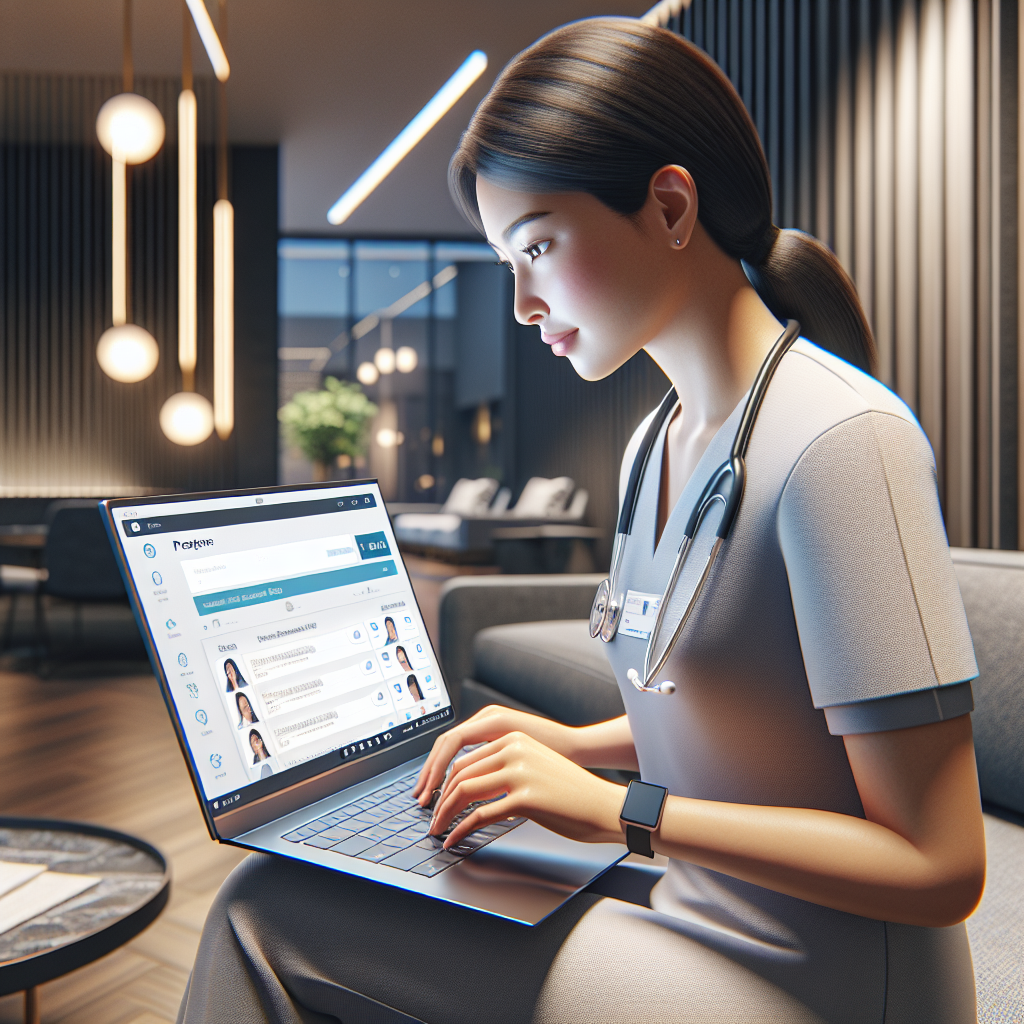
Navigating the preceptor landscape can feel overwhelming. You might be wondering: How do I even start? Thankfully, technology has stepped in to save the day! Platforms like Clinical Match Me are designed specifically for NP students to streamline the preceptor search process. These services take your personal learning objectives and match you with preceptors who align with them—like a dating app for clinical rotations!
How Technology Simplifies Your Search
Gone are the days of sifting through endless lists of potential preceptors or cold-emailing individuals without any context. With technology, you can filter your search based on specialty, location, and even availability. This means less time spent searching and more time focusing on what really matters: your education.
- Personalized matching based on specific learning objectives.
- Access to a wider network of potential preceptors.
- Timely updates and notifications about available placements.
For instance, let’s say you’re keen on specializing in pediatric care. By using a matching service, you can easily connect with experienced pediatric nurse practitioners who are eager to mentor someone just like you. It’s like having a personal assistant dedicated solely to finding your perfect clinical fit!
The Human Touch in Tech-Based Matching
But wait, you might be thinking, isn’t this all too impersonal? Not at all! While technology plays a crucial role in matching students with preceptors, these platforms often incorporate human elements as well. Many services provide personalized support throughout the process—think of it as having a knowledgeable friend guiding you through the maze of options.
A good match can lay the groundwork for an enriching clinical experience.
So what’s next? You might ask. Start by exploring various online platforms designed for NP student-preceptor matchmaking. Investigate their features and see which ones resonate most with your needs. The right tech tool could be your ticket to an impactful clinical rotation that sets you up for success.
The digital age has transformed nearly every aspect of our lives, including how nurse practitioner students find their ideal preceptors. Imagine trying to find a needle in a haystack, but with the right technology, that needle is now just a search away. In fact, studies show that 75% of NP students who utilize tech-based matching services report greater satisfaction with their placements.
Navigating the preceptor landscape can feel overwhelming. You might be wondering: How do I even start? Thankfully, technology has stepped in to save the day! Platforms like Clinical Match Me are designed specifically for NP students to streamline the preceptor search process. These services take your personal learning objectives and match you with preceptors who align with them—like a dating app for clinical rotations!
How Technology Simplifies Your Search
Gone are the days of sifting through endless lists of potential preceptors or cold-emailing individuals without any context. With technology, you can filter your search based on specialty, location, and even availability. This means less time spent searching and more time focusing on what really matters: your education.
- Personalized matching based on specific learning objectives.
- Access to a wider network of potential preceptors.
- Timely updates and notifications about available placements.
For instance, let’s say you’re keen on specializing in pediatric care. By using a matching service, you can easily connect with experienced pediatric nurse practitioners who are eager to mentor someone just like you. It’s like having a personal assistant dedicated solely to finding your perfect clinical fit!
The Human Touch in Tech-Based Matching
But wait, you might be thinking, isn’t this all too impersonal? Not at all! While technology plays a crucial role in matching students with preceptors, these platforms often incorporate human elements as well. Many services provide personalized support throughout the process—think of it as having a knowledgeable friend guiding you through the maze of options.
A good match can lay the groundwork for an enriching clinical experience.
So what’s next? You might ask. Start by exploring various online platforms designed for NP student-preceptor matchmaking. Investigate their features and see which ones resonate most with your needs. The right tech tool could be your ticket to an impactful clinical rotation that sets you up for success.